
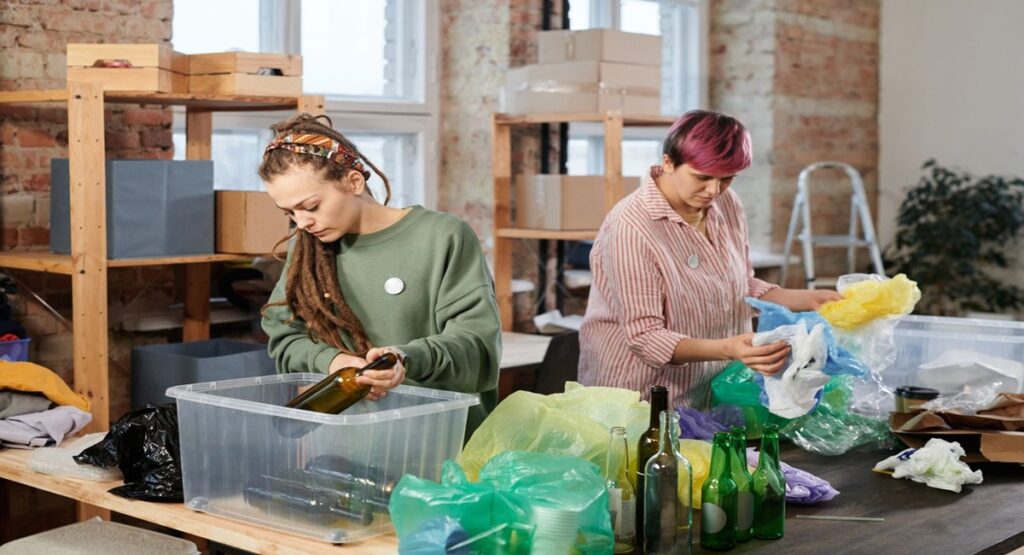
Australians take immense pride in their beautiful neighborhoods and stunning natural landscapes. However, with the rapidly increasing population in our area, the handling of domestic waste is already a tremendous daily task. By simply putting everything in the regular garbage, we end up with unnecessary pollutions and harming the environment. Keeping our suburbs clean and beautiful is best done by improving our household waste management practices. This can be achieved by making simple adjustments to our daily garbage habits and making our environment much healthier for future generations to enjoy.
Reducing Overflow in Local Landfills
The rapid growth of local landfills is one of the major problems affecting cities in Australia today. When we throw away perfectly recyclable materials like paper and cardboard, these massive dumps fill up much faster than necessary. Overfilled garbage sites cause bad smells and pollutants are let off into the atmosphere. As this is becoming an increasing problem, it is important for homeowners to know how to properly sort their paper products. Partnering with professional local services like AB Recycling makes a huge difference in managing excess household cardboard efficiently. Relying on dedicated professionals to collect paper waste actively helps to prevent useful materials from filling up landfill space locally.
Protecting Native Wildlife and Waterways
Australia has so many amazing creatures as well as pristine waterways. Unfortunately, these natural habitats are seriously threatened by improper disposal of waste. Loose plastics and paper that are blown out of residential garbage cans are frequently blown directly into local rivers and oceans. This floating junk is often confused by marine life and local birds for food, resulting in terrible effects. Careful recycling at home will help ensure that loose items are safely processed – not lost in the wild. Rinsing out containers and securing your bins tightly on windy days will successfully protect the precious local ecosystem from completely preventable harm.
Conserving Valuable Natural Resources
It takes enormous quantities of water, raw lumber and electricity to produce new packaging. Your selection to recycle household goods has direct impact on the heavy demand for these valuable natural resources. Processing old paper and used cardboard requires significantly less energy than manufacturing completely new items from raw trees. This clever process massively reduces the carbon footprint of your community. You help to maintain a circular economy if you make a conscious effort to place clean packaging waste in the right bin. This implies that old products are continually being remodeled into helpful new products rather than forever lost and forgotten.
Encouraging Neighborhood Participation
Clean and healthy community is a responsibility of all the residents of the community. Your personal waste management habits just have an unexpected impact on your neighbours. Your neighbor will be a great deal more likely to do the same if they see you very carefully discarding your cardboard boxes and keeping the neighborhood bin area neat and tidy. Community social media pages can also be used to share tips on waste reduction, educating new residents. Local clean-up days and information about the most effective collection services develop a terrific feeling of joint duty. Environmental outcomes will be much better when a neighborhood is united than when they are working on an individual basis.
Conclusion
Creating a cleaner and more sustainable Australian community starts right inside your own home. When your trash isn’t going into the landfill, you’re doing a favor for the environment. By securing bins, you are helping to protect native wildlife, and by reusing materials you are also saving highly valuable natural resources for the future. Most importantly, your good behavior will lead your friends and neighbors to be more like you too. Take the following steps to recycle in your life today so your local community can stay clean, safe and beautiful.