
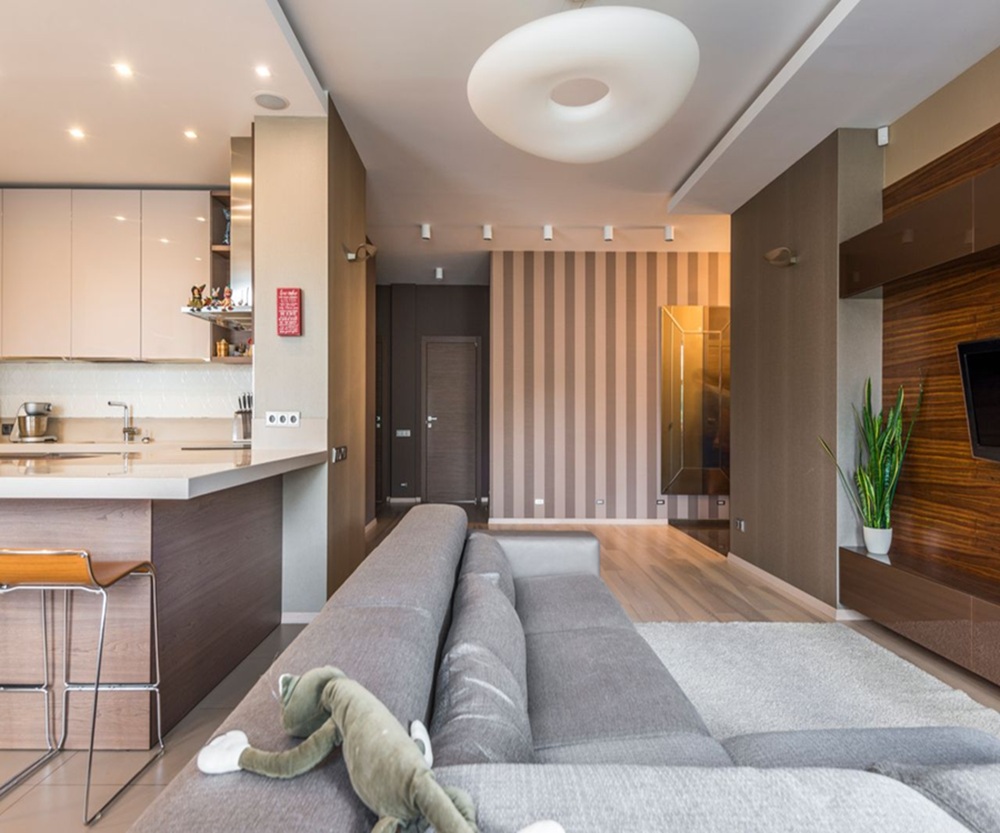
Technology has found its way into plenty of ordinary household routines. You can change the heating from your phone, check who is at the front door while you are upstairs or switch off the lights without getting off the sofa. These features are becoming less of a novelty as smart devices become more affordable and easier to use.
For homeowners, the appeal is often quite simple. Smart technology can make everyday tasks more convenient, while giving people more control over how their home operates.
Smart technology in new build homes

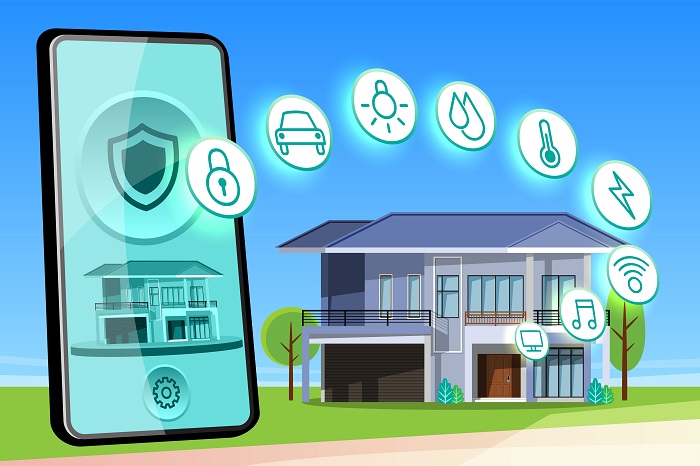
Smart features are increasingly being considered as part of the design of new build homes rather than added later. When technology is planned during construction, systems such as smart heating, lighting and security can be incorporated into the property from the start.
This can make a difference to how the home feels and functions day to day. There is less need to work out how to fit new devices around existing wiring or systems, and different technologies may be easier to connect.
As smart home technology becomes more familiar, these features are likely to become a more regular part of what people look for when choosing a new home.
Lighting that fits around your routine
Smart lighting is one of the easiest ways to add connected technology to a home. Instead of relying solely on a wall switch, certain lights can be controlled through an app, a voice assistant or an automated schedule.
That can be useful in small ways. Lights can come on shortly before you get home, switch off automatically at bedtime or be dimmed when you are watching television. Some systems also let you control several lights at once, which saves having to go around the house checking every room.
Heating can be easier to manage
Smart thermostats have changed the way some households control their heating. Rather than setting the temperature and leaving it there, a smart system can be programmed around your daily routine.
For example, you might set the heating to come on before you get up and reduce it while everyone is out during the day. Many systems can also be adjusted remotely using a smartphone, so you can change the temperature if your plans change.
That level of control can be particularly useful in the UK, where the heating often needs to be used for much of the year.
Keeping an eye on your home
Home security has also become more connected. Smart doorbells and cameras can send an alert to your phone when someone approaches your property, while sensors can notify you if a door or window is opened.
A video doorbell can be handy when you are expecting a delivery or simply want to see who is outside before answering. Some systems allow you to speak to visitors through the device, even when you are not at home.
These features do not replace sensible security measures, but they can give homeowners more information about what is happening around their property.
Everyday appliances are getting smarter
The kitchen and utility room are starting to benefit from connected technology too. Washing machines, ovens and other appliances are available with smart functions that can be controlled or monitored through an app.
A washing machine might let you know when a cycle has finished, for instance, while a smart oven can allow you to adjust its settings remotely. Not every household will need these features, but they can be useful for people who have busy routines and want to keep track of several things at once.