
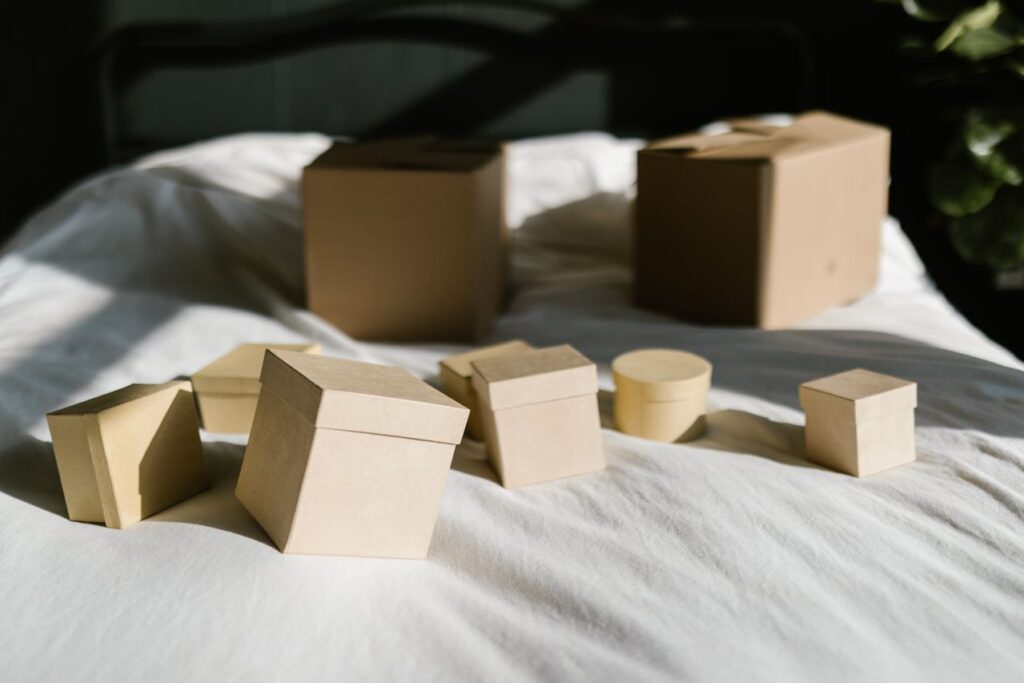
Packaging has a bigger job than simply making a product ready for delivery. It needs to protect what is inside, cope with the knocks and movement that happen during transit, and make sure the customer receives their order in good condition.
However, different products have very different packaging needs. A jumper certainly does not require the same level of protection as a glass vase or an electronic device. Choosing materials based on the product can help businesses reduce damage while avoiding unnecessary packaging.
Start with the Product Itself
Before reaching for a box or mailing bag, consider what you are sending. Weight, size, shape and fragility should all influence your decision.
Soft, lightweight products such as clothing are relatively straightforward to package because they are unlikely to break if knocked or dropped. Fragile, heavy or unusually shaped items need more thought. A heavy product, for example, requires packaging strong enough to support its weight without splitting or collapsing.
It is also worth considering whether the product could be affected by moisture, scratches or pressure during its journey.
Choose a Box That Fits
Cardboard boxes remain one of the most versatile options for shipping products, but size matters. Putting a small item in an oversized box creates unnecessary empty space and usually means using more void fill.
At the other extreme, squeezing a product into a box that is too small leaves little room for protective materials.
Aim for a box that comfortably accommodates the product and any cushioning it requires. Lightweight goods may only need a single-wall box, while heavier or more fragile products can benefit from stronger double-wall cardboard.
Give Fragile Products Extra Protection
Glassware, ceramics, ornaments and similar products require cushioning to absorb shocks during handling and transportation.
Wrapping individual items can prevent them from knocking against each other. Bubble wrap, corrugated cardboard and packing paper can all be useful depending on the product. Any remaining gaps inside the box should also be filled so that the contents cannot slide around freely.
For products with vulnerable corners or edges, additional corner and edge protection can provide another useful layer of defence.
Match Packaging to Clothing and Soft Goods
Clothing, textiles and other non-fragile products generally need less protection. Mailing bags can be a practical option because they are lightweight and take up less space than boxes.
Presentation may still be important, particularly for ecommerce brands. Tissue paper, branded stickers or neatly folded products can make a simple package feel more considered without adding excessive amounts of material.
Don’t Forget a Secure Seal
Good protective packaging will not achieve much if the parcel opens on the way to the customer. Boxes should be sealed carefully along their main openings and seams.
Using reliable Priory Direct packing tape can help keep cartons securely closed throughout storage, handling and delivery. Heavier parcels may require additional tape across vulnerable seams to reinforce the package.
Avoid Packaging for Packaging’s Sake
More packaging does not automatically mean better protection. Excessive materials can increase parcel size, add weight and create more waste for customers to dispose of.
Instead, focus on using the right amount of the right material. A well-sized box with carefully positioned cushioning will often offer better protection than an oversized carton filled with unnecessary void fill.
Find the Right Balance
Choosing packaging materials is ultimately about matching protection to the product. Consider how fragile, heavy and valuable an item is, as well as the journey it needs to make.
By combining suitable outer packaging, appropriate cushioning and a secure seal, businesses can reduce the likelihood of damaged orders while keeping their packaging practical and efficient.