
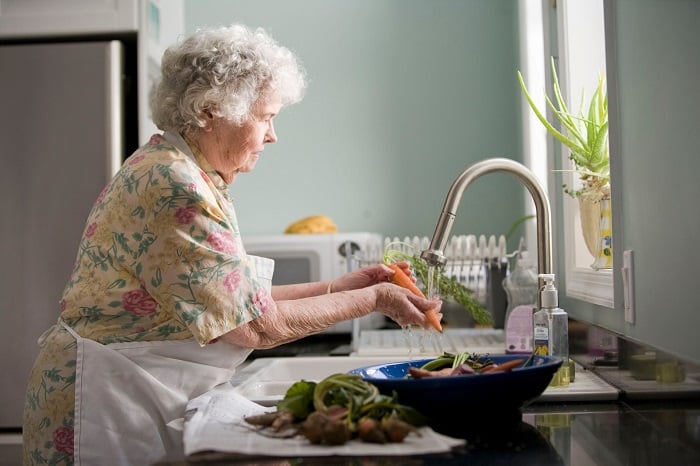
Water is an extremely precious resource and one that we in the UK perhaps take for granted. We are lucky enough to have safe-to-drink running water, immediately available and on-demand in multiple parts of our home. But that luck has given way to complacency, and our water consumption has crept up dramatically.
Our domestic water usage is high, and this can be a problem for numerous different reasons. The major reason is illustrated by the increased frequency of hosepipe bans in the UK, but the problems go far, far deeper. What is the situation when it comes to domestic water usage, and how can you reduce your own water usage at home?
The UK’s At-Home Water Usage
To illustrate the importance of acknowledging and engaging with domestic water usage, it can be helpful to learn the facts surrounding the nation’s water consumption habits. According to statistics from 2022 (corroborated by multiple reports and surveys), the average adult in the UK uses 146 litres of water each day. This is a harrowing statistic, that illustrates the sheer volumes of water required for each household – the average of which might use over 500 litres per day with ease.
The Impacts of Water Usage
But why is this level of water usage a bad thing? The concerns are largely environmental in nature. Using water invokes environmental impacts in multiple different ways, from the siphoning of water from natural ecosystems to the carbon emission by-products of regular domestic water usage. The latter is of particular importance at present, as the threat of irreversible climate change looms large across the planet.
Much of the water used each day by the average person is heated, whether for bathing, washing clothes or the preparation of food and drink. This heating requires energy, and results in the use of fuel – such as gas for hot water from faucets, or fossil-fuel-subsidised electricity for the boiling of kettles. Over the course of a year, the carbon emissions can add up.
Reducing Impacts
So how can the average person reduce their water usage, and have a positive impact on the planet? There are some immediate changes to the habit that can help, such as switching from baths to showering. The humble electric shower utilises much less water than a prepared bath, by an order of magnitude; this, in turn, means less water heated and fewer carbon emissions per bath.
Efficiency can also be a factor when it comes to older or outdated infrastructure. Poorly-plumbed homes might be using more water than others, on account of losing water to ground leaks or inhabitants attempting to compensate for a low flow rate. In terms of appliances, older washing machines might use more water than necessary to complete a cycle. Investing in newer, more efficient technology and infrastructure can lead to a home less likely to waste water overall. Some other effective steps that we can take to reduce water uses are-
- Check for leaks in your toilet tank, pipes, and outlets and fix the leaks to avoid wastage of water.
- Do not use your toilet as a wastebasket or ashtray as you will waste five to seven gallons of water to flush away these wastages.
- You should also take shorter showers to limit the use of water. You should also stop the showers when you are using soap.
- The installation of water-saving shower heads can help you to reduce water usage. We have also discussed earlier how the use of the humble electric shower can minimize the use of water.
- You should also turn off the taps when you are washing your face, brushing your teeth, or shaving. If you turn off the tap when you are not using the water actively, you can save a significant amount of water.
- Use an automatic dishwasher or use the water wisely when you are hand washing your dishes.
- Water your lawn and plants wisely and choose the coolest times of the day to water your plants.
- Harvesting rainwater is a great idea to reduce the use of tap water. You can install a rain barrel on your roof to collect rainwater and use that water for cleaning and watering plants.
Above all, you should educate your children and other family members on why it is important to save water and inspire them to adopt water-saving habits.