
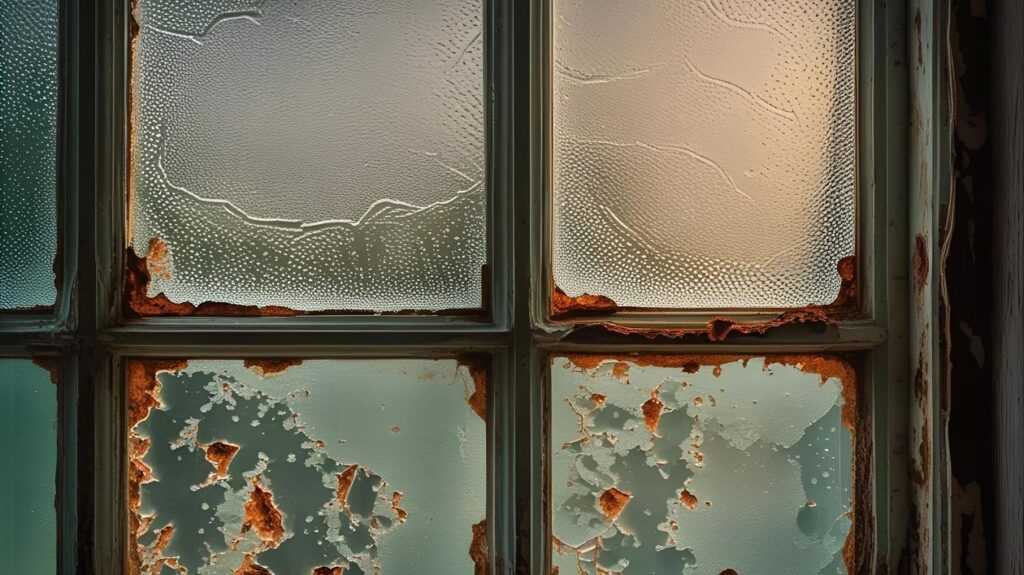
Is that damp patch on your wall just condensation… or is it something your landlord is legally required to fix?
If you live in a council or housing association property, spotting the difference between everyday condensation and actual disrepair could mean the difference between a quick repair at your landlord’s expense — or being wrongly blamed for the problem.
In this article, we’ll show you a quick, 60-second DIY test to help you figure out what you’re dealing with, what steps to take next, and what your landlord is legally responsible for fixing.
Condensation vs. Disrepair: Why It Matters
Social landlords often blame tenants for damp or mould by calling it “just condensation.” But not all damp is your responsibility and after tenant referencing checks explained, you learn that there are several responsibilities that are actually the landlord’s.
Understanding the difference is key to protecting your rights as a tenant.
The 60Second DIY Damp Test
Here’s a simple test you can do in under a minute to get a better idea of whether you’re facing condensation or genuine disrepair:
1. Check the Location
- Damp on windows, corners, or external walls?
- More likely to be condensation.
- Damp on ceilings, internal walls, floors, or near skirting boards?
- Could point to structural issues or disrepair.
2. Look for Structural Clues
- Peeling wallpaper?
- Bubbling paint or crumbling plaster?
- Water stains on ceilings or near pipework?
- These signs suggest underlying problems, such as leaks or poor insulation.
3. Check for Repeat Issues
- Does the area stay damp even after you ventilate the room?
- Have you cleaned the mould or damp before, only for it to return quickly?
- This often means the problem isn’t just lifestyle-related — it may be the building itself.
When It Becomes Disrepair
If the damp or mould in your home is caused by things like:
- A leaking roof
- Faulty plumbing or gutters
- Damaged or missing insulation
- Cracks in the walls or external structure
…then this is classed as disrepair — and your landlord has a legal duty to fix it under the Landlord and Tenant Act 1985.
What Your Landlord Must Do
Social landlords must keep your home in good condition, including:
- Maintaining the structure and exterior of the building
- Ensuring proper ventilation and damp-proofing
- Making timely repairs once an issue has been reported
If you’ve reported a problem and they haven’t taken action within a reasonable time, you may be able to start a formal disrepair claim.
What to Do Next
Here are four simple steps to follow if you believe you’re dealing with disrepair:
- Take clear photos or videos of the problem area
- Note the dates you reported the issue (keep copies of emails or letters)
Log how long it’s been since you reported it
- Get advice from a legal expert if the problem hasn’t been resolved within a reasonable time (this will vary depending on the issue)
Getting Professional Advice
Specialist housing disrepair solicitors like Legal HD, help tenants in council homes and housing association properties take action when landlords fail to carry out essential repairs. If your landlord isn’t listening, they can help you:
- Prove the issue is disrepair
- Push for urgent repairs
- Potentially recover a portion of your rent for the period affected
Many firms work on a no-win, no-fee basis, and will take care of the entire claims process — from evidence gathering to legal action if needed.
Ready to Find Out Where You Stand?
If you’re unsure whether the problem is your responsibility or your landlord’s — start with the 60-second test above and find out if you could be dealing with a housing disrepair issue.