

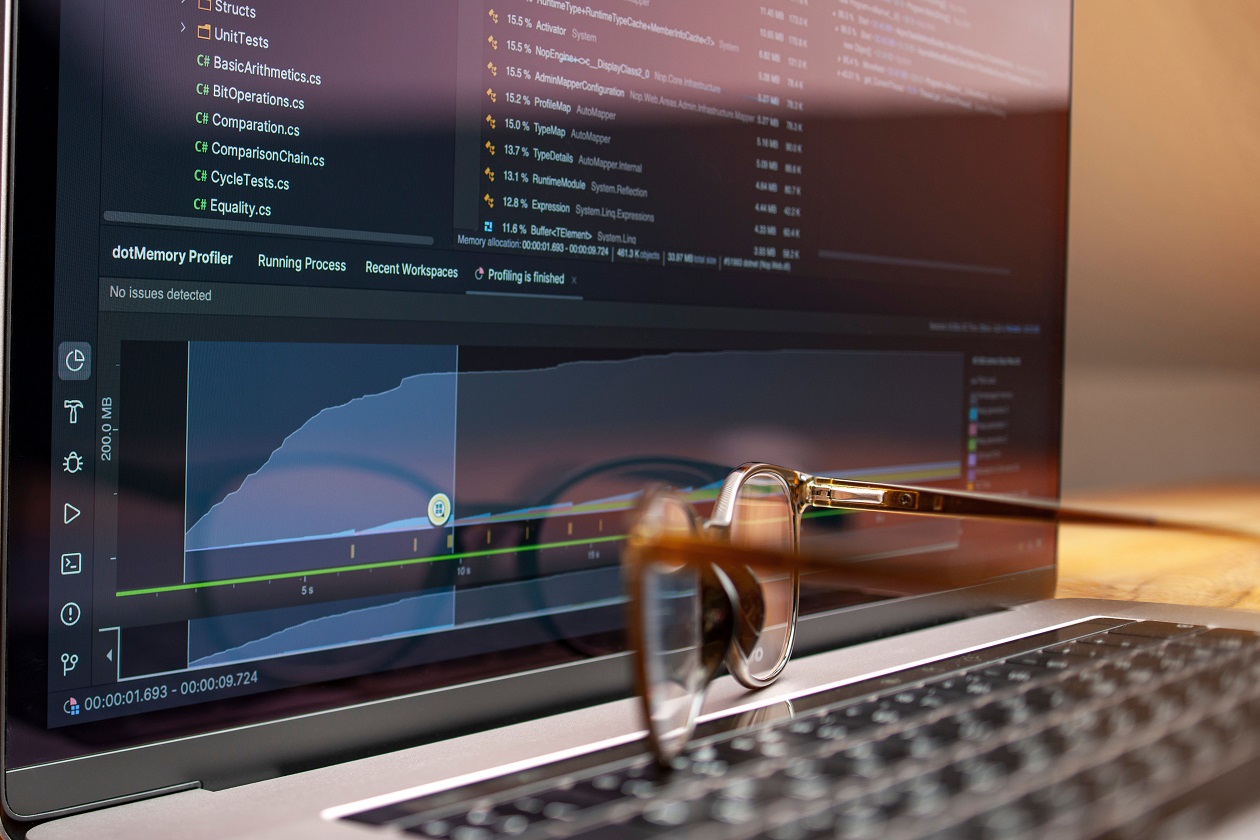
The current business environment is generating more information than ever before. Each customer touch point, supplier payment, system upgrade, and web activity leaves data that can impact decision-making. Meanwhile, organisations are increasingly under pressure to react swiftly to altering market situations, customer demands, and operational issues. Consequently, there is an increasing trend of companies seeking to enhance visibility in their operations. You can easily have a better sense of performance and risk when you are able to see what is going on in your business in real time. Such visibility enables you to make better decisions more quickly and to utilize resources more efficiently, which can generate a significant competitive edge.
The growing complexity of modern business networks
Contemporary organisations depend on interdependent systems, remote working teams, cloud computing, suppliers, and online platforms. These connections aid growth and flexibility but also increase complexity. One problem in one area can have an impact on several areas of the business before anyone can even realize. In the absence of visibility, teams can end up wasting time in trying to determine the origin of the issue and not solving it. Trace out the systems and links you have that support your workings in order to know where your critical dependencies can be found.
Why real-time insights matter
Availability of up-to-date information enables you to react to things when they occur as opposed to when they have already disrupted. In cases where managers operate on old reports, they tend to make decisions with conditions that are no longer true to reality. Real-time data enables teams to detect route delays instantly and make schedule changes before customers get considerably disrupted. The same is the case with other industries. Customer care teams are able to note any arising problems earlier, and operations managers can also see any unusual activity before it escalates into a bigger problem. This method also helps to allocate resources in a more efficient way.
Turning network data into actionable intelligence
Collecting data alone rarely creates value. When teams comprehend the information and act upon it to make decisions, businesses have the upper hand. Good analysis will assist you in seeing patterns, discovering inefficiencies, and seeing opportunities that may have been previously invisible. For instance, a company that combines performance monitoring with network intelligence can identify recurring bottlenecks affecting productivity across multiple locations. Instead of treating individual symptoms, managers are able to uncover root causes and make specific improvements. Pay attention to linking data sources that are aligned to a particular business agenda to enable your teams to produce insights that can be put into practice.
Building a more resilient and efficient business
Resilience is boosted by increased visibility as teams are better able to notice risks before it assumes a critical aspect. By understanding how systems, processes and people interact, leaders will be in a better position to deal with the unknown. A manufacturer that measures the performance of production at each facility can recognize early signs of equipment problems and plan its maintenance before it is subjected to expensive downtime. Spending pattern can also be closely observed by financial teams which assist them in detecting inefficiencies and cost management.
Data visibility has outgrown being a reporting tool in the dynamic business world. It provides an opportunity to make decisions faster, be more in control of the operations and get to know the functioning of the organisation better. Companies that invest in clear, accessible insights place themselves in a stronger position to adapt, compete, and grow with confidence.
Creating a Data-Driven Culture Across the Organisation
The complete advantages of data visibility cannot be achieved solely by the use of technology. Another culture that should be established by the businesses is whereby employees of all levels will be charged with the need to value data and use it to make daily decisions. When teams can get the appropriate information that is relevant, they get more confident in their opportunity identification, problem-solving, and performance improvement. It is also recommended that collaboration between the different departments should be encouraged to eliminate information silos, whereby important insights are not held by a single department.
Training employees on how to interpret dashboards, reports and performance checks will enable them to make wise decisions without necessarily having to rely on the senior management. This not only enhances efficiency but also the level of accountability since the teams are in a position to quantify the effects of their activities with trustworthy data. Setting data governance policies also enhances trust as it makes sure that information is accurate, secure, and consistent throughout the organisation. With companies moving towards digital technologies and automation, a culture of data thinking starts to become a critical component of long-term success