

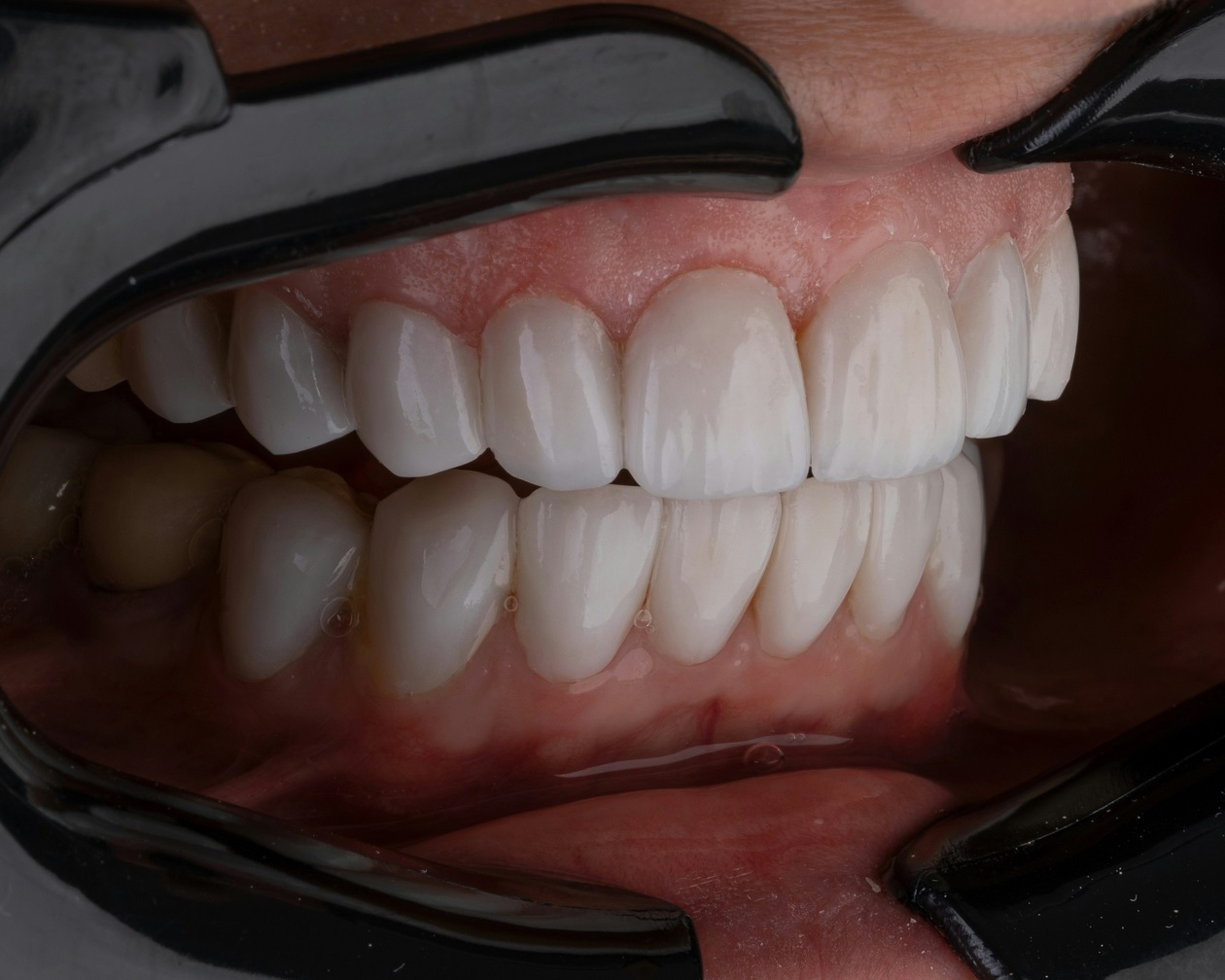
Dreaming of a Hollywood smile but worried about the cost of veneers? Modern dentistry offers affordable alternatives to transform your smile. From at-home treatments to professional procedures, you can address discoloration, gaps, chips, and alignment issues without breaking the bank.
Teeth Whitening: The Most Affordable Smile Makeover
Professional teeth whitening remains one of the most cost-effective ways to dramatically improve your smile’s appearance. At roughly $300-$800 for in-office treatments, it costs significantly less than a single veneer.
Professional vs. At-Home Options
In-office whitening treatments can lighten teeth by 3-8 shades in just one session. These procedures use stronger bleaching agents than over-the-counter products, delivering faster and more dramatic results. Many dental offices also offer custom take-home trays for around $200-$400, providing professional-grade results at a lower cost.
Over-the-counter whitening strips, gels, and toothpastes offer the most budget-friendly approach, typically costing $20-$100. While results may take longer to appear and won’t be as dramatic as professional treatments, consistent use can still produce noticeable improvements.
Who Benefits Most from Whitening
Teeth whitening works best for people with surface stains from coffee, tea, wine, or tobacco use. It’s less effective on intrinsic stains caused by medications or trauma, and won’t change the color of existing dental work like crowns or fillings.
Dental Bonding: Quick Fixes for Minor Imperfections
Composite bonding offers an excellent middle-ground solution for addressing chips, gaps, and minor shape irregularities. At $100-$400 per tooth, it costs roughly one-fourth the price of veneers while providing immediate results.
During the bonding process, your dentist applies tooth-colored composite resin directly to the affected area, sculpts it into the desired shape, and hardens it with a special light. The entire procedure typically takes 30-60 minutes per tooth and requires no removal of natural tooth structure.
Advantages and Limitations
Bonding excels at repairing small chips, closing minor gaps, and improving tooth shape. The procedure is reversible and can often be completed in a single visit. However, the composite material is more porous than porcelain, making it more susceptible to staining over time. With proper care, bonding typically lasts 3-7 years before needing touch-ups.
Clear Aligners: Straightening Without Metal
For those dealing with crooked or crowded teeth, clear aligners like Invisalign provide an aesthetic alternative to traditional braces. While the cost ranges from $3,000-$8,000, this investment addresses multiple teeth simultaneously and can eliminate the need for veneers altogether.
Clear aligners work by gradually shifting teeth into proper alignment using a series of custom-made, removable trays. Treatment typically takes 12-18 months, depending on the complexity of your case.
Direct-to-Consumer Options
Several companies now offer mail-order clear aligners at reduced costs, typically ranging from $1,200-$2,500. While these options require less professional oversight, they can be effective for mild to moderate alignment issues. However, complex cases still require in-person professional monitoring.
Dental Contouring: Reshaping What You Have
Also known as enameloplasty, dental contouring involves carefully removing small amounts of tooth enamel to improve shape and alignment. This conservative procedure costs $50-$300 per tooth and can often be completed without anesthesia.
Contouring works well for smoothing rough edges, reducing minor overlaps, and creating more uniform tooth lengths. The procedure is permanent and immediate, with results visible as soon as you leave the dental chair.
Ideal Candidates
This option works best for people with healthy teeth who need minor adjustments rather than major changes. Since the procedure removes enamel, it’s only suitable when adequate tooth structure remains after reshaping.
Crowns: Comprehensive Coverage for Damaged Teeth
While dental crowns cost more than some veneer alternatives ($800-$1,500 per tooth), they provide superior protection for severely damaged or weakened teeth. Unlike veneers, which only cover the front surface, crowns encapsulate the entire tooth.
Crowns serve dual purposes: they improve appearance while restoring function and strength to compromised teeth. Modern ceramic crowns can be color-matched to surrounding teeth and provide natural-looking results that last 10-15 years or longer.
When Crowns Make Sense
Consider crowns if you have teeth with large fillings, significant decay, or structural damage from trauma. They’re also ideal for teeth that have undergone root canal treatment, as they provide necessary protection against future fractures.
Snap-On Veneers: Removable Smile Enhancement
Snap-on veneers, also called clip-on veneers, offer a non-permanent solution for special occasions or those wanting to test a new smile before committing to permanent changes. These custom-made covers fit over your existing teeth and typically cost $500-$2,500 for a full set.
While not suitable for daily wear or eating, snap-on veneers can provide temporary confidence boosts for photos, presentations, or special events. The process involves taking impressions of your teeth to create custom-fitted covers that snap into place. For a more permanent solution, consider one day dental implants like those in Odessa, FL, which offer durability and a natural look.
Realistic Expectations
These removable options won’t feel or function like natural teeth, and they’re not designed for long-term wear. However, they offer an affordable way to experience a transformed smile without permanent alterations to your natural teeth.
At-Home Smile Makeover Combinations
Sometimes the most effective approach combines multiple affordable treatments. For example, professional whitening followed by minor bonding work can address both discoloration and shape issues for under $1,000 total.
Consider creating a timeline that spreads treatments across several months, making the investment more manageable while achieving comprehensive results. Start with whitening to establish your ideal shade, then address specific imperfections with targeted treatments.
Conclusion
Finding the right veneer alternative depends on your needs, budget, and timeline. Whitening, bonding, orthodontics, or crowns target specific issues like discoloration, chips, or alignment. Consult a dentist to explore treatment options and financing plans.