

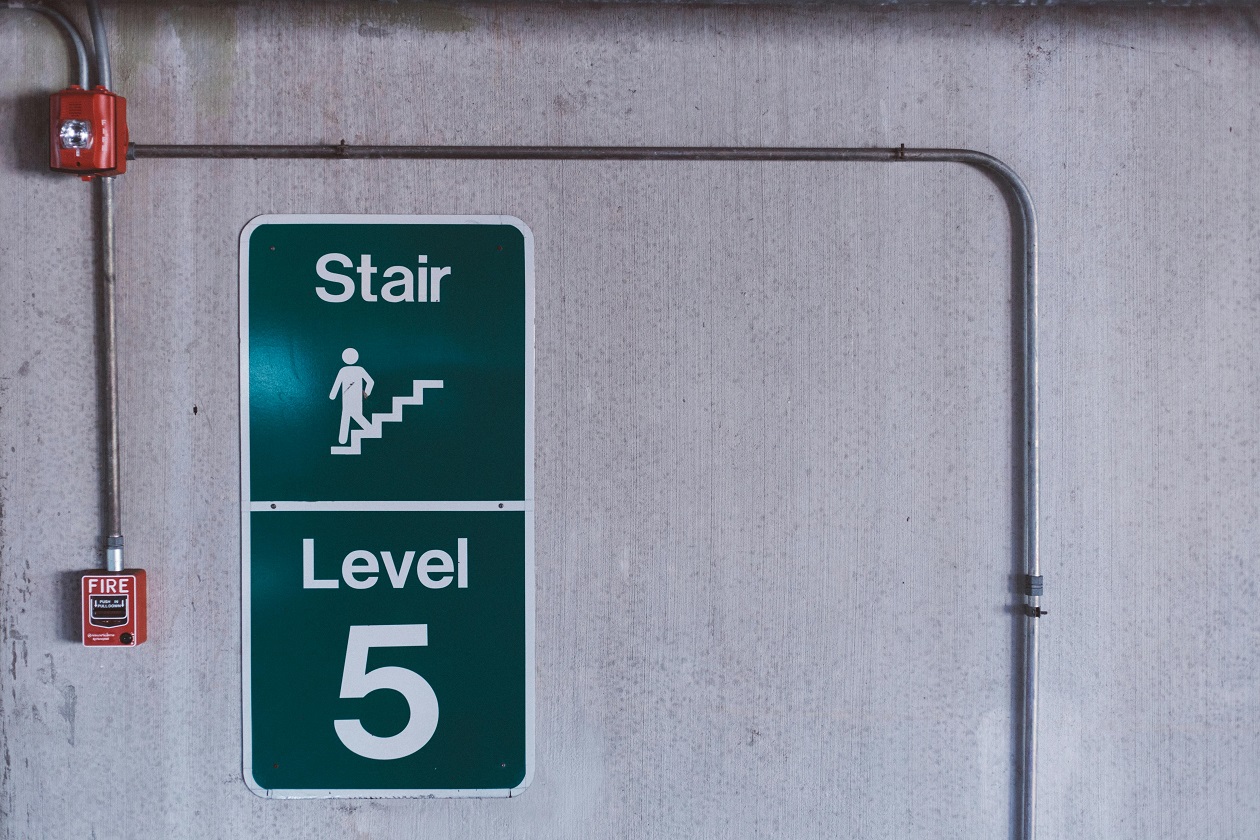
People decide how to move through a site within a few seconds. Clear signs remove hesitation and guide action. In busy places like warehouses, schools, and clinics, quick understanding protects people and keeps work flowing.
Many teams now want signs that fit their site, not the other way around. That is where Safety Sign Depot helps UK operators keep things simple. Custom choices match the message, size, and material to each location.
Safer Workplaces With Clear Signs
People recognise colours and shapes faster than long sentences. A consistent look across entrances, corridors, and plant areas builds instant trust. Repeating colours, symbols, and short phrases helps users read faster and act with confidence.
Custom layouts reduce visual noise and cut mixed messages. Remove extra icons, shorten lines, and place the main point at eye level. Over time, fewer wrong turns and fewer near misses create a calmer day for everyone.
Clear warnings lower risk where people and machines share space. Use bold headers, simple verbs, and clear contrast between background and text. Place distance markers before hazards so action happens early, not at the last second.
Compliance That Fits Real Spaces
Regulated sites need signs that meet rules and also fit challenging spaces. Off the shelf boards can clash with narrow corridors, unusual doors, or low light. Custom sizes and reflective grades keep messages readable where stock signs struggle.
UK guidance sets out when signs are required and how they should look. It covers colours, symbols, lighting, and the duty to keep signs visible.
Match the message to the task, not the catalogue page. If machinery needs a fixed guard before start, say that in plain words. If access needs authorisation, make that requirement the headline, not a small footer note.
Wayfinding That Feels Easy
Visitors want to reach the right door on the first try. Custom direction signs match your floor plan and naming scheme. Arrows, zone codes, and door labels can mirror the way your team talks about spaces.
Brand details help people relax and trust the space. Matching typeface, colour palette, and icon style makes the site feel organised and calm. When every sign looks like it belongs, people feel guided, not corrected.
Reception teams notice the difference within a week. Fewer map printouts and fewer repeat questions save time and attention. Field staff arrive at the right room sooner, which shortens service windows and reduces waiting.
Materials, Lifespan, And Cost
A sign only works while it stays readable. Custom orders let you choose materials for sunshine, rain, and cleaning routines. Indoor boards need different finishes than yard signs near moving vehicles and grit.
Think about real wear, not only design files on a screen. Reflective films improve night reads from a safe distance. Anti graffiti finishes and rounded corners protect signs in busy public areas.
A short checklist helps you pick the right build:
- Location exposure, including light levels and risk of impact or abrasion.
- Cleaning products used during daily routines across the site.
- Mounting surface and method, such as brick, glass, mesh, or painted steel.
- Viewing distance and height, which set letter size and symbol scale.
Plan The Signs With A Simple Survey
Start with a short site walk that anyone on the team can repeat. Mark each location on a plan and take two photos. Note light levels, obstructions, and the normal viewing distance during daily use. Keep notes in one shared folder so later edits stay simple.
Approve proofs that show scale against a real door or wall, not a flat layout. Flat files hide issues near hinges, handles, and handrails. Use a one page sign schedule for each corridor to guide installers. This prevents guesswork and reduces rework on installation day.
Agree a few templates for fire doors, first aid points, and restricted areas. Swap in room numbers, site names, and arrow directions as needed. Store the final colours, symbols, and fonts with your supplier. Future orders then match the first batch without extra effort.
A short checklist helps you pick the right build and avoid early wear:
- Location exposure, including light levels and risk of impact or abrasion.
- Cleaning products used across the site during normal routines.
- Mounting surface and method, such as brick, glass, mesh, or painted steel.
- Viewing distance and height, which set letter size and symbol scale.
Keep Signs Clean And Current
Signs lose clarity with sunlight, moisture, cleaning chemicals, and constant contact during busy hours. Plan light maintenance so messages stay readable between full replacements. Wipe surfaces with the approved cleaner for each material and finish, then check corners for lifting. Log dates, locations, and photos so patterns appear before small issues become larger problems.
Set a simple cycle that any site lead can run each quarter without delay. Walk the routes, replace worn fixings, and update room names that changed. Keep spare screws, adhesive pads, and cable ties in a small box on each floor. Store print ready files in a shared folder so reprints are straightforward and fast.
A short upkeep list helps teams act quickly:
- Clean high touch signs near doors, lifts, and scanners during routine rounds.
- Replace faded items that fail the five second read from the normal viewing distance.
- Update direction arrows and room labels whenever space layouts change during a refit.
Track Results And Tidy Up What Does Not Work
Check performance after installation, not only on delivery day. Record wayfinding questions at reception each week for a month. Track access mistakes in controlled areas and average time to reach booked rooms. Compare numbers against the month before installation for a fair view.
If the numbers improve, keep the winning patterns and lock them into templates. If they do not, adjust the most used directions or least visible warnings. Small edits fix the few points that slow many people. Reprint files are ready, so replacements are fast and low cost.
Link fire safety signs to real procedures where they apply on site. Keep routes clear, label doors correctly, and place assembly points where people gather. Review the wider government guidance during your next drill to stay aligned. Repeat the checks after small edits to confirm the gains.
A Practical Takeaway For Teams
Custom signs are an operations tool that shape safer, calmer days. Choose designs people recognise fast and that meet current rules. Match materials to real site conditions and revisit results after installation. Standardise templates, keep proofs, and fix the few weak points that remain.