


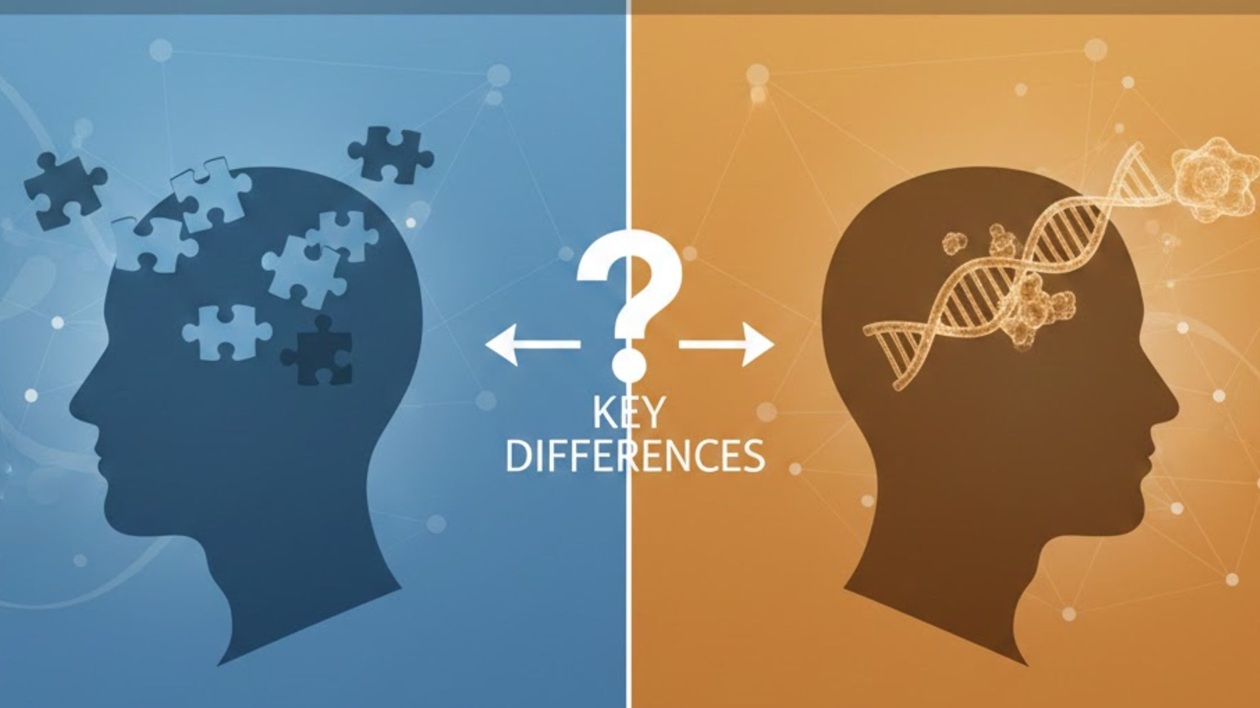
As we delve into the intricate world of mental health, distinguishing between conditions with overlapping symptoms becomes crucial for accurate diagnosis and effective treatment. Alzheimer’s and dementia are two such terms that are frequently used interchangeably but refer to distinct medical entities with their own set of challenges. Understanding the nuances between the two can aid families, caregivers, and healthcare professionals in providing better care for those affected. Below, we explore the relationship, symptoms, causes, and treatment strategies associated with Alzheimer’s and dementia, shedding light on these often-confusing terms.
Understanding the Relationship Between Alzheimer’s and Dementia
Clarification on the connection between Alzheimer’s and dementia is essential for grasping their differences. Dementia is an umbrella term that describes a range of symptoms associated with cognitive decline, such as memory loss and difficulties with thinking, problem-solving, or language. Alzheimer’s disease, on the other hand, is the most common cause of dementia, responsible for 60-80% of cases, according to the Alzheimer’s Association.
As the brain undergoes changes caused by Alzheimer’s disease, neurons begin to die, leading to the symptoms typically associated with dementia. However, not all dementia is caused by Alzheimer’s. Other diseases can also trigger dementia, including vascular dementia, Lewy body dementia, and frontotemporal disorders. Each type derives from different pathological changes within the brain.
For a deeper understanding, exploring the difference between Alzheimer’s and Dementia is beneficial. This knowledge can empower those affected and their loved ones to advocate for bespoke management approaches and make informed decisions regarding healthcare.
The Causes Behind Alzheimer’s and Dementia: A Comparative Analysis
The causes of Alzheimer’s and other forms of dementia are distinguished by different pathologies within the brain. In Alzheimer’s disease, abnormal protein deposits called amyloid plaques and tau tangles disrupt the function of neurons, leading to their death. This neural damage primarily affects the hippocampus first, which is the brain’s center for learning and memory, thus explaining the memory loss commonly seen in early Alzheimer’s.
In contrast to Alzheimer’s, the causes of other dementias can be quite varied. Vascular dementia results from conditions that block or reduce blood flow to the brain, depriving brain cells of vital oxygen and nutrients. Factors such as stroke or atherosclerosis are commonly involved in these cases. On the other hand, Lewy body dementia is associated with abnormal deposits of a protein named alpha-synuclein in the brain.
Diagnostic Approaches to Alzheimer’s Versus Dementia

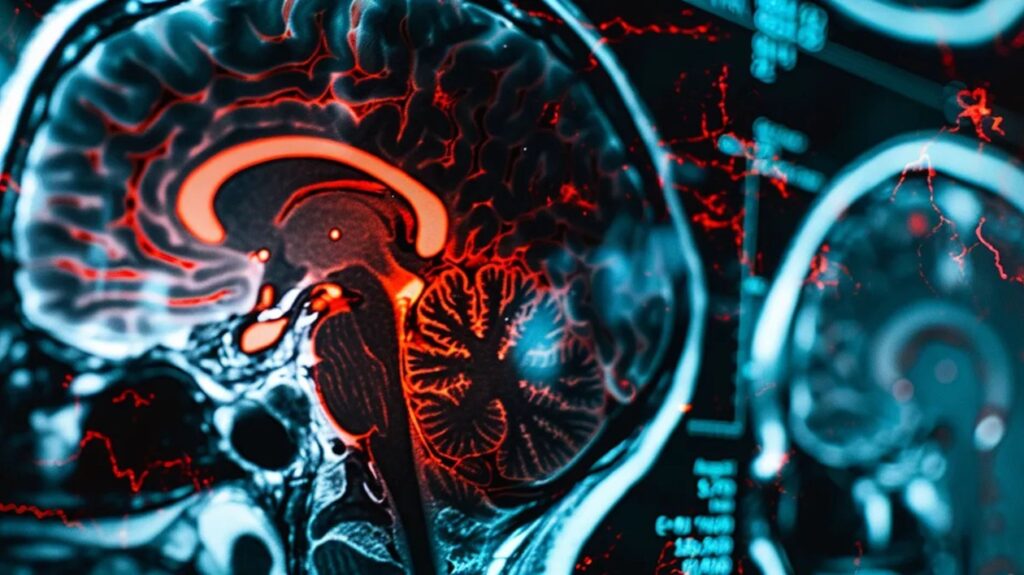
Due to the different etiologies of Alzheimer’s disease and other dementias, the diagnostic process can differ. For Alzheimer’s, doctors will perform cognitive and memory tests, gather a thorough patient history, and potentially conduct brain imaging studies such as magnetic resonance imaging (MRI) or computed tomography (CT) scans. These scans can show patterns of brain atrophy typical of Alzheimer’s disease.
Other diagnostic tests for dementia rely on identifying the unique features of non-Alzheimer’s dementias. For example, imaging in cases of suspected vascular dementia might reveal evidence of strokes or small blood vessel disease in the brain. Additionally, assessing blood work can help rule out reversible causes of dementia-like symptoms, such as vitamin deficiencies or thyroid disorders.
While there is no single test to diagnose Alzheimer’s or dementia definitively, recent advancements aim at increasing accuracy and early detection. Biomarker tests that identify proteins associated with Alzheimer’s, genetic testing for risk factors, and positron emission tomography (PET) scans to detect amyloid and tau proteins in the living brain are developing areas in Alzheimer’s diagnostics.
Managing Alzheimer’s and Dementia: Treatment Strategies and Support Systems

The management of Alzheimer’s and dementia involves a multifaceted approach, including medical treatment, lifestyle modifications, and support. Currently, there is no cure for most types of dementia, including Alzheimer’s, but medications are available that may help reduce or stabilize symptoms. These drugs work to increase the levels of neurotransmitters in the brain to improve communication between nerve cells.
Lifestyle interventions, such as engaging in regular physical activity, maintaining a healthy diet, social interaction, and cognitive stimulation, are vital in the management of both Alzheimer’s and other dementias. These measures can potentially slow down the cognitive decline and improve the quality of life. Caregiver education and support are also crucial components of successful dementia management, as they enable caregivers to provide effective and compassionate care.
Overall, a deeper comprehension of Alzheimer’s and dementia equips us to confront them with greater sophistication and empathy. Though distinctions exist in their presentations, causes, and diagnostic approaches, what remains paramount is the commitment to compassionate care and support for those affected. Through education and vigilance, we can aspire to reduce the burden of these diseases and enhance the quality of life for individuals and families navigating these challenges.