


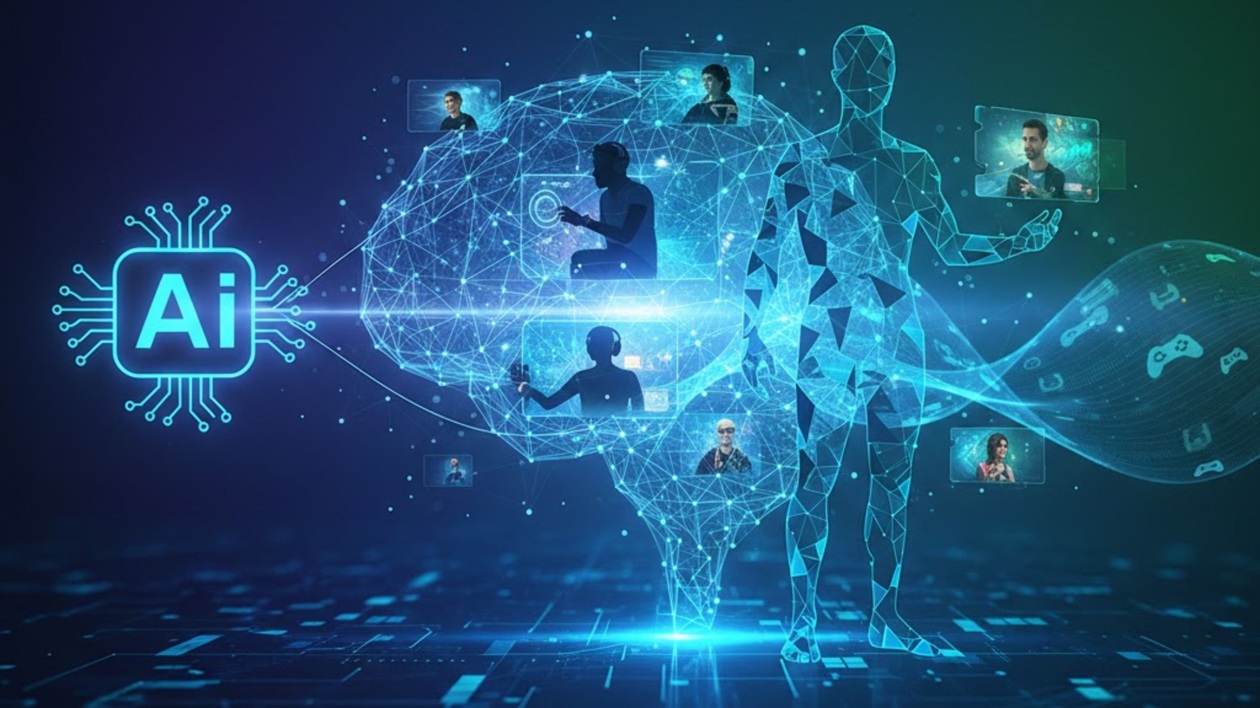
From Mass Platforms to Individual Journeys
Personalization has quietly become one of the most powerful forces in digital technology. From Netflix recommendations to adaptive fitness apps, users now expect platforms to understand their preferences in real time. This shift is increasingly driven by artificial intelligence (AI) and machine learning models capable of analyzing massive volumes of behavioral data.
In sectors where engagement, trust, and retention are critical—such as online entertainment, gaming, and betting—AI-powered personalization is no longer experimental. It is becoming foundational. This article explores how AI personalization works, why it matters, and how it is shaping more responsible, user-centric digital experiences across high-engagement platforms.
AI-Driven Personalization: The Technology Behind the Experience
At its core, AI personalization relies on machine learning algorithms that analyze patterns in user behavior. These systems process data points such as session length, interaction frequency, content preferences, and device usage to dynamically adapt the experience.
Key technologies involved
- Machine learning models that evolve based on real-time behavior
- Predictive analytics to anticipate user needs
- Natural language processing (NLP) for smarter chatbots and support
- Behavioral clustering to segment users beyond basic demographics
According to McKinsey, personalization technologies can lift digital revenues by up to 15% while significantly improving user satisfaction . This is why personalization is no longer limited to e-commerce or streaming—it is spreading rapidly across all high-engagement digital platforms.
Why Personalization Matters in High-Engagement Platforms
Platforms that rely on repeat engagement—such as online gaming, fantasy sports, or interactive entertainment—face a unique challenge: keeping experiences fresh without overwhelming users.
Smarter engagement without friction
AI allows platforms to:
- Surface relevant content instead of generic offers
- Adjust interfaces based on user skill or experience level
- Reduce cognitive overload by simplifying navigation
In gaming and betting environments, this can translate into tailored dashboards, adaptive game suggestions, or customized notifications—without forcing users to dig through irrelevant options.
Importantly, personalization is not just about increasing activity. When designed responsibly, it can also help identify risk signals and promote healthier usage patterns.
AI, Responsible Play, and Player Protection
One of the most meaningful applications of AI personalization is in responsible play technology. Rather than relying on static limits, AI systems can detect behavioral anomalies that may indicate risk.
Examples of responsible AI use
- Detecting abrupt changes in session frequency
- Flagging unusually long play sessions
- Offering cooling-off prompts based on behavioral signals
The UK Gambling Commission has repeatedly emphasized the role of technology in early risk detection and player protection . AI enables platforms to intervene earlier and more accurately—benefiting both users and operators.
Some platforms, including established operators like BitStarz, have publicly discussed their use of data analytics and automation to improve user experience while maintaining responsible play frameworks. The key shift is moving from reactive controls to proactive, data-driven safeguards.
Privacy, Trust, and the Future of Personalization
As personalization grows more sophisticated, concerns around data privacy and transparency grow alongside it. Users are increasingly aware of how their data is collected and used—and expectations are rising.
What users now expect
- Clear consent mechanisms
- Transparent data usage policies
- Secure storage and anonymization
- Compliance with GDPR-level standards
A 2024 Deloitte survey found that over 70% of users are more loyal to platforms that clearly explain how AI is used in personalization . Trust, not novelty, is becoming the true competitive advantage.
Looking ahead, the future of personalization will likely involve on-device AI, reduced reliance on third-party cookies, and more explainable algorithms—giving users greater control without sacrificing experience quality.
Personalization as a Long-Term Strategy
AI-powered personalization is no longer about flashy features—it is about building sustainable, user-centric digital ecosystems. When implemented responsibly, it enhances engagement, strengthens trust, and supports healthier interaction patterns. For high-engagement platforms, personalization is not just a growth tool it is a strategic necessity.