


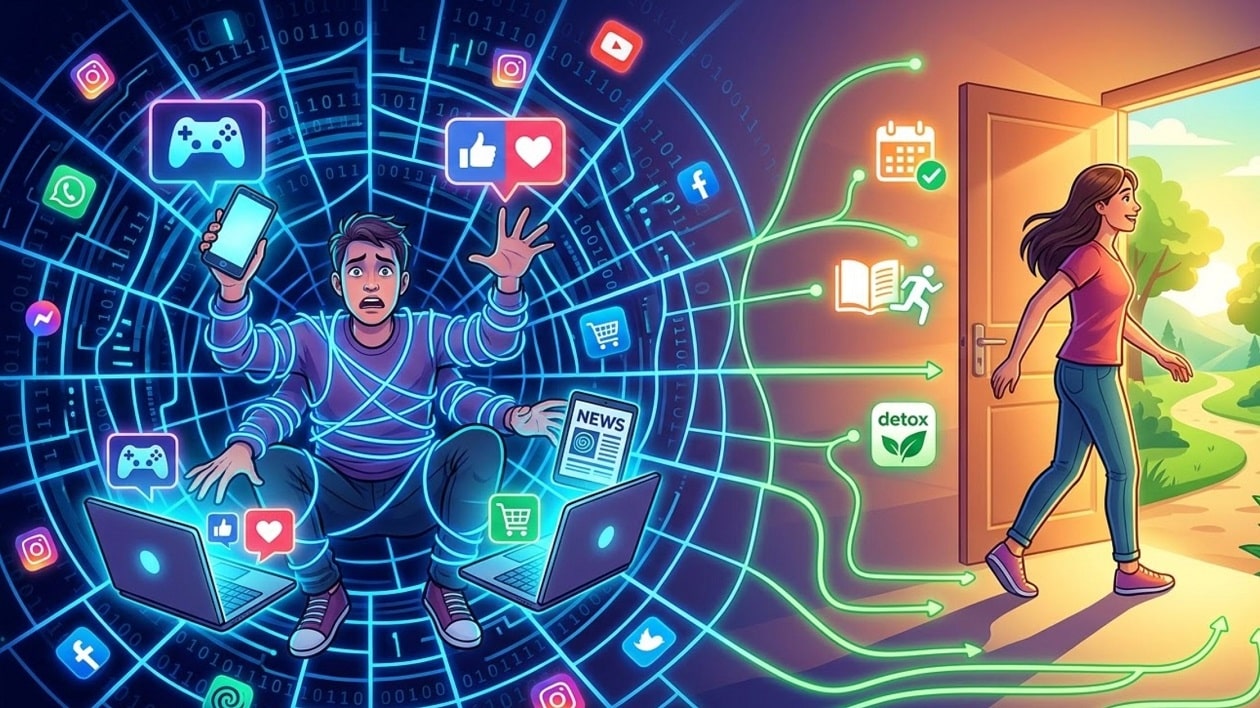
In today’s digital age, technology permeates nearly every aspect of our lives, offering conveniences and entertainment that were unimaginable just a few decades ago. However, this reliance on technology has also given rise to various forms of addiction that can have detrimental effects on mental health, relationships, and overall well-being. Here, we will explore the types of tech addictions, their implications, and effective methods to avoid or overcome them.
Types of Tech Addictions
1. Internet Gaming Disorder
One of the most prevalent forms of tech addiction is Internet Gaming Disorder, characterised by excessive and compulsive gaming, whether online or offline. Gamers often prioritise play over essential activities such as sleep, work, or maintaining relationships. According to a study by Harvard Health, excessive gaming can lead to mental disorders by creating a state of hyperarousal and dopamine-driven addiction, highlighting the severity of this issue. The immersive nature of video games can lead individuals to lose track of time, resulting in neglect of responsibilities and social isolation.
2. Social Media Addiction
Social media addiction manifests as an inability to curtail usage of platforms like Facebook, Instagram, TikTok, and Snapchat. This behaviour is frequently driven by a fear of missing out (FOMO), compelling individuals to constantly check updates and notifications. The dopamine rush from likes and comments can create a cycle of dependency, where users feel compelled to engage with their feeds even when it detracts from real-life interactions. The impact on mental health can be profound, contributing to feelings of inadequacy and anxiety.
3. Smartphone/Digital Addiction
Smartphone addiction, often referred to as digital addiction, encompasses the compulsive need to check, hold, or use a smartphone. This addiction is pervasive, with many individuals experiencing withdrawal symptoms when separated from their devices. Physical symptoms such as eye strain, neck pain, and disrupted sleep patterns are common consequences. The constant barrage of notifications can lead to heightened stress levels and decreased productivity, as users find it difficult to concentrate on tasks without checking their phones.
4. Cybersex/Online Pornography Addiction
Another significant concern is cybersex or online pornography addiction, which involves an excessive preoccupation with adult content. This addiction can severely impact real-world relationships, leading to unrealistic expectations and decreased intimacy with partners. The compulsive nature of this behaviour often results in feelings of shame and guilt, exacerbating mental health issues such as depression and anxiety.
5. Net Compulsion (Online Shopping/Gambling)
Net compulsion refers to impulsive behaviours exhibited through online shopping or gambling. This addiction can manifest as constant bidding on auctions, excessive stock trading, or compulsive shopping sprees. Such behaviours not only strain financial resources but can also lead to significant emotional distress. The thrill of the purchase or the gamble can become addictive, creating a cycle that is difficult to break.
6. Information Overload (Doomscrolling)
In an era where information is abundant, doomscrolling has emerged as a common addiction. This behaviour involves compulsively surfing news feeds or social media, often leading to feelings of anxiety and hopelessness. The constant exposure to negative news can result in low productivity and social isolation, as individuals become overwhelmed by the sheer volume of information available.
Methods to Avoid or Stop Tech Addictions
Recognising the signs of tech addiction is the first step towards recovery. Here are several effective strategies to help individuals avoid or overcome these compulsive behaviours:
1. Set Boundaries
Establishing clear boundaries around technology use is crucial. Designate specific times for checking social media or playing games, and stick to these limits. Use apps that track usage and send reminders when limits are approached.
2. Find Alternative Activities
Engaging in offline activities can help reduce reliance on technology. Consider taking up hobbies such as reading, exercising, or spending time with friends and family. These activities can provide a fulfilling alternative to screen time.
3. Digital Detox
A digital detox involves taking a break from all digital devices for a set period. This can be as short as a weekend or as long as a month. Use this time to reconnect with the physical world and reflect on your relationship with technology.
4. Seek Professional Help
If tech addiction significantly impacts daily life, seeking professional help may be necessary. Therapists can provide support and strategies tailored to individual needs. In severe cases, the cost of rehab for tech addiction can be substantial, but the benefits of recovery far outweigh the financial investment.
5. Mindfulness and Self-Reflection
Practising mindfulness can help individuals become more aware of their technology use and its triggers. Reflecting on the emotions that drive compulsive behaviours can promote healthier habits and reduce reliance on technology.
In conclusion, while technology offers numerous benefits, it is essential to remain vigilant about its potential for addiction. By recognising the types of tech addictions and implementing effective strategies to combat them, individuals can reclaim their time, improve their mental health, and foster healthier relationships. Embracing a balanced approach to technology is key to thriving in our increasingly digital world.