

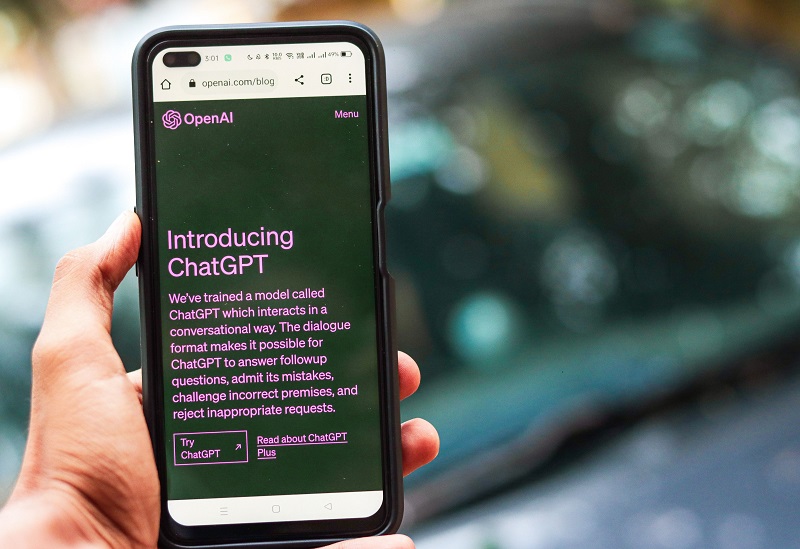
Search chat gpot and you won’t find a rival AI company waiting behind it. You’ll find something stranger: an entire small ecosystem of apps, bots and social posts that grew directly out of a common typing mistake.
How A Simple Typo Happens
The letters in chat gpot scramble easily, since the P and T sit right next to each other on a standard keyboard. Fast typing, autocorrect quirks, and voice-to-text errors all produce the same swapped letters, especially on mobile keyboards where thumbs move quickly across tightly packed keys.
Search engines see this pattern often enough that they’ve learned to treat the phrase as intent for ChatGPT itself, quietly correcting the mismatch behind the scenes for most searchers without them ever noticing.
Where The Typo Turned Into A Trend
Millions of people mistype ChatGPT’s name daily, and that volume creates real search traffic worth capturing. TikTok now hosts dozens of videos tagged with variations of this misspelling, mostly genuine chat gpot tutorials that simply picked up the wrong hashtag along the way through autocorrect or copy-paste errors.
A handful of small, unofficial projects have leaned into the typo far more deliberately, though. One example on the Shapes AI platform explicitly markets itself as “a typo-inspired alternative to ChatGPT,” designed specifically to recognise and respond to this exact misspelling. Its creators built the entire concept around catching accidental searches rather than offering something genuinely new.
Why This Matters Beyond Curiosity
These unofficial projects aren’t OpenAI products, and none carry any real affiliation with the company. They exist purely because a recognisable, near-identical name attracts clicks from people who mistyped their original search, then monetise that attention through ads, subscriptions or data collection.
Clicking unfamiliar links tied to this kind of typo can lead somewhere unintended, especially on app stores or third-party sites promoting “alternative” chatbots. Some of these tools stay harmless, functioning as novelty projects with little real capability. Others exist purely to capture search traffic with no meaningful value behind them, and a few collect more user data than a cautious person would want to hand over.
How To Spot The Difference
Before trusting any site or app using this name, check whether it clearly states its relationship, or lack of one, to OpenAI. Genuine ChatGPT access only comes through OpenAI’s own website and official apps, never through a suspiciously similar third-party name.
Look for a proper company name, a privacy policy, and reviews from real users before entering any personal information. Legitimate ChatGPT alternatives, if that’s genuinely what you want, usually market themselves honestly rather than riding on a misspelt name.
Getting To The Real Thing
If a typo brought you here by accident, head straight to chatgpt.com or OpenAI’s official app instead. Bookmarking the correct URL removes the risk entirely for future visits, and saving the login page to your home screen avoids the mix-up, no matter how quickly you type.
The Bigger Pattern
This situation isn’t unique to ChatGPT either. Nearly every major tech product attracts a cluster of typo-based domains and apps over time, each hoping to capture a slice of accidental traffic. Staying alert to slightly-off spellings protects you across far more than just AI tools; it’s a habit worth building into how you search generally.