


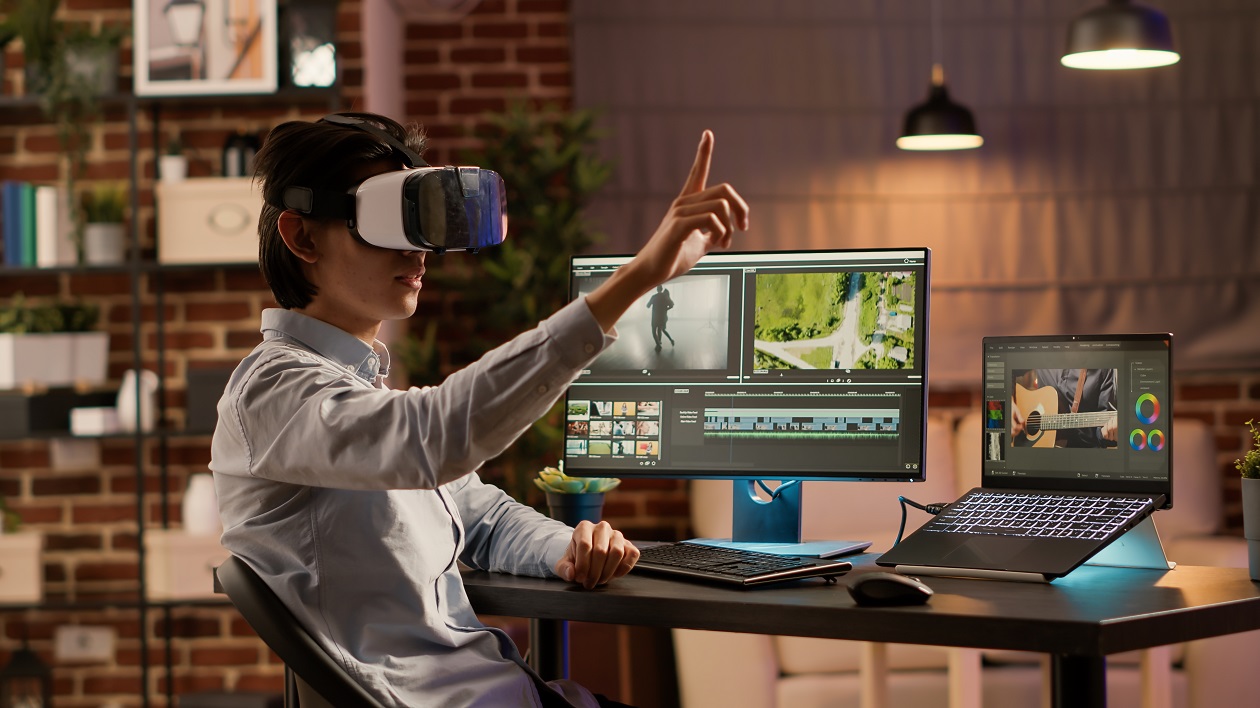
The artificial intelligence revolution continues accelerating across virtually every technology sector, but few areas demonstrate AI’s transformative potential as clearly as video generation. What once required professional studios, expensive equipment, and specialized expertise now happens automatically through sophisticated machine learning algorithms. For technology enthusiasts and industry observers, understanding this shift proves essential.
How AI Video Generation Works
Modern AI video generation leverages deep learning neural networks trained on millions of video samples. These systems learn to understand motion, physics, lighting, and visual coherence at remarkable levels of sophistication. When users provide input—whether static images, text descriptions, or rough sketches—the AI generates fluid, natural-looking video content.
The technology represents years of advancement in computer vision, generative adversarial networks, and transformer architectures. Each generation of tools demonstrates measurable improvement in output quality, processing speed, and ease of use.
Current Market Leaders
Seedance 2.0 exemplifies the current state of consumer-accessible AI video generation. The platform allows users to transform photographs into dynamic video content, create animations from simple prompts, and produce professional-quality output without technical expertise.
What distinguishes current-generation tools from earlier attempts is the combination of quality and accessibility. Previous AI video systems required significant computational resources and technical knowledge. Today’s platforms operate through simple web interfaces, processing complex generation tasks on cloud infrastructure invisible to end users.
Practical Applications Expanding
The use cases for AI video generation continue expanding across industries. Content creators leverage these tools for social media production, reducing the time and cost required for engaging video content. Marketing teams incorporate AI-generated video into campaigns that would otherwise exceed budget constraints.
Educational content benefits from AI video capabilities as well. Instructors can create visual demonstrations and explanations without video production expertise. Corporate training departments produce professional materials at fraction of traditional costs.
Entertainment and gaming industries explore AI video for pre-visualization, concept development, and even final content production. Independent creators gain access to production capabilities previously available only to well-funded studios.
Technology Considerations
While AI video generation capabilities continue improving, understanding current limitations helps set appropriate expectations. Generated content occasionally exhibits artifacts or inconsistencies, particularly in complex scenes with multiple moving elements. The technology excels at certain content types while still developing capabilities for others.
Processing requirements, while handled by cloud infrastructure, mean generation takes time—typically seconds to minutes depending on complexity and length. Real-time generation remains largely aspirational for high-quality output.
Industry Trajectory
Investment in AI video technology continues at substantial levels, suggesting rapid ongoing advancement. Major technology companies and specialized startups alike pursue improvements in generation quality, speed, and versatility.
Analysts project the AI video generation market will grow significantly over the coming years as quality improvements drive adoption across consumer and enterprise segments. The technology appears positioned to become standard creative tooling rather than specialized capability.
Looking Ahead
For technology observers, AI video generation represents one of the most visible and accessible demonstrations of artificial intelligence capability. The tools available today would have seemed impossible just years ago, and current trajectories suggest continued rapid advancement.
The democratization of video production through AI fundamentally changes who can create professional visual content and how quickly they can do so. That transformation is already underway.