

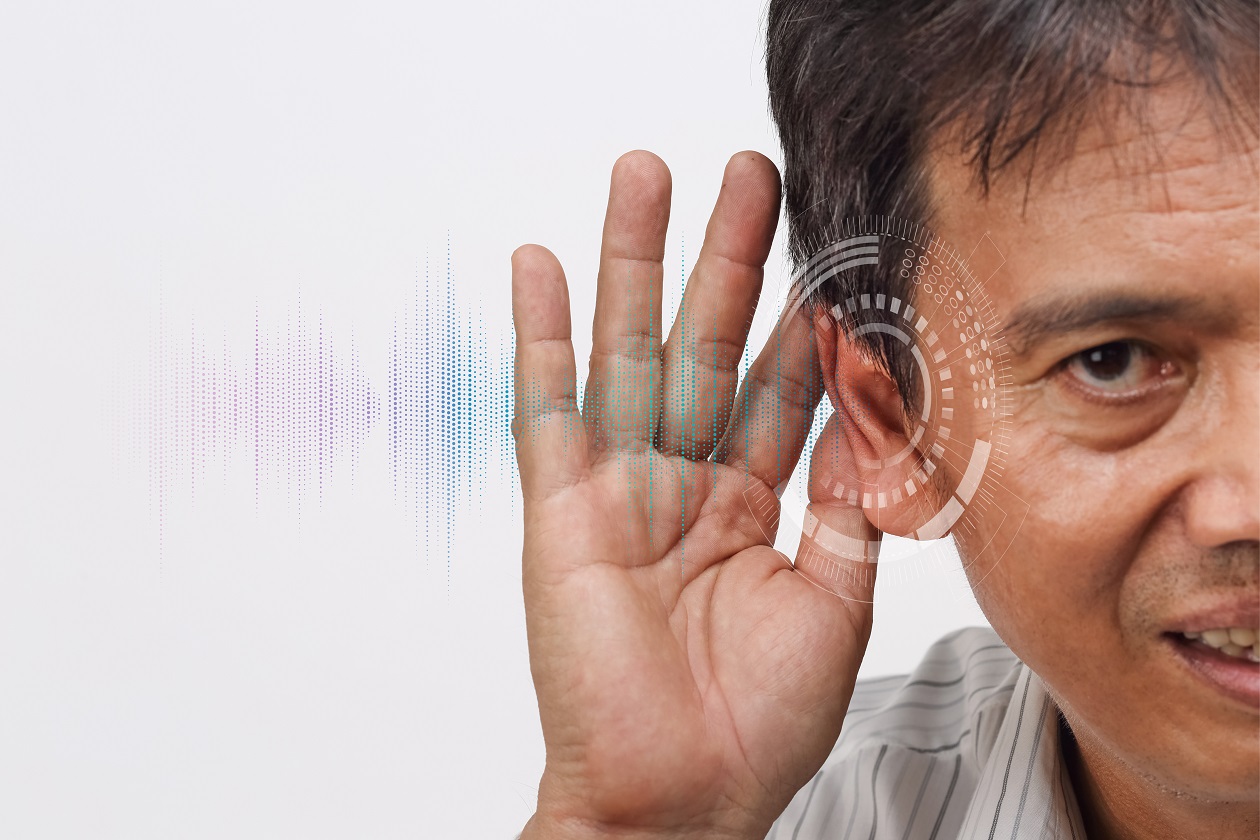
Hearing loss affects millions of people, but the way we address it has changed dramatically over the past decade. What used to mean bulky devices and expensive clinic visits now looks a lot different. Technology has stepped in and rewritten the rules, making hearing care more accessible, more affordable, and a lot smarter than it used to be.
For a long time, cost was the biggest barrier standing between people and better hearing. That’s shifting fast. If you’re curious about the best cheapest hearing aids, there are now options that deliver real performance without the eye-watering price tag traditional audiology clinics used to charge. A lot of manufacturers just cut out the middleman entirely. Selling direct to consumers means skipping the markups that used to pad the price tag, and that alone has brought costs down more than people expect.
Then there’s the regulatory side of things. The FDA’s decision to allow OTC hearing aids basically opened the floodgates. Suddenly there was a whole new category of product on the market, and people with mild to moderate hearing loss could walk into a pharmacy or shop online without needing a prescription or a hearing test first. That single policy shift did more to democratize hearing care than almost anything else in recent memory.
Smarter Devices, Smaller Packages
Today’s hearing aids barely resemble the ones your grandparents might have worn. Modern devices pack in Bluetooth connectivity, rechargeable batteries, and processing chips that can distinguish between speech and background noise in real time. Some models even let you stream phone calls or music directly into your ears, which honestly makes them feel more like earbuds than medical devices.
Miniaturization has been a huge part of this story. Components that once required a boxy behind-the-ear housing now fit into discreet, nearly invisible shells. That matters a lot to people who feel self-conscious about wearing hearing aids. When a device looks more like a stylish earpiece than a clunky old hearing aid, folks are simply more likely to wear it consistently.
AI and Machine Learning in the Mix
Artificial intelligence has quietly become one of the biggest forces behind better hearing outcomes. Modern hearing aids use machine learning algorithms to analyze soundscapes and adjust settings automatically. Walking from a quiet living room into a noisy restaurant used to mean manually fiddling with dials. Now the device just figures it out on its own, tweaking amplification and noise cancellation on the fly.
Some companies have gone even further, building apps that let users fine-tune their hearing experience from a smartphone. Want to boost speech clarity during a work call? There’s a setting for that. Need to dampen wind noise on a walk? Adjust it in seconds. This kind of personalization used to require a trip back to the audiologist. Now it’s just a few taps away.
Telehealth Changed Everything
Remote care has changed a lot about how people get fitted for hearing devices these days. You don’t have to live anywhere near a specialist clinic anymore, not when a video call with an audiologist can cover most of what an in-person visit used to. And some companies have taken it further, shipping out self-fitting kits with in-app hearing tests built in, so the whole calibration process happens at home.
This matters most for people in rural areas, or anyone dealing with mobility issues who used to struggle just getting to an appointment. Think about a grandmother living in a small town. She can take a hearing test, order her device, and get ongoing support, all without stepping outside. That’s not a small thing. That’s a real shift in who gets access to decent healthcare.
Connectivity Beyond Hearing
Hearing aids aren’t just about sound anymore either. A lot of newer models double as health hubs. Fall detection, heart rate monitoring, step counts, it’s all getting packed into these tiny devices now. Some even sync with smart home setups, so a user can hear the doorbell or a smoke alarm going off, sounds they might have missed completely before.
It’s part of a bigger pattern in healthcare, where devices do more than one job. They collect data, and that data can get shared with a doctor or a family member if it needs to be. For an older adult living alone, that little bit of extra monitoring can mean a lot, not just for them but for whoever’s checking in on them too.
What This Means Going Forward
Innovation in this space isn’t slowing down anytime soon. Researchers are already testing hearing aids that can translate languages on the fly, or that adjust themselves based on a person’s own hearing profile using biometric data. Battery life is getting better too. Some devices now run well past a full day before needing a charge.
Price competition is likely to keep pushing costs down as more companies enter the OTC space. That’s good news for the roughly one in eight Americans who experience some degree of hearing loss but have historically avoided treatment because of cost or stigma.
What’s clear is that hearing care isn’t the niche, expensive corner of healthcare it used to be anymore. It’s becoming something closer to consumer electronics, driven by the same forces that made smartphones cheaper and better every year. For anyone who has put off addressing their hearing health, there has genuinely never been a better time to explore the options out there.