


A family-friendly garden is a space that invites you and your children outdoors, encouraging play, creativity and shared time in a safe and well-organised setting. With careful planning, your garden can balance practicality with visual appeal, offering areas that suit different ages, interests and activities without feeling cluttered or compromised. A thoughtful layout allows your garden to grow with your family while remaining attractive and easy to manage.
Designing a garden for family life
When designing a garden for family use, flexibility is essential. Children’s needs change quickly, and your garden should be able to adapt without requiring constant redesign. You should think beyond individual features and focus instead on how the space will be used day to day.
Clear sightlines help you supervise play while allowing children a sense of independence. Open layouts, combined with subtle boundaries created through planting or materials, keep the garden feeling connected rather than divided. A successful family garden feels welcoming and intuitive, encouraging movement and exploration while remaining calm and well structured.
Creating zones for different activities
Zoning is one of the most effective ways to make a garden work for the whole family. By defining areas for specific activities, you reduce conflict between uses and make the space feel larger and more organised.
An active play zone might include a lawn, soft surface or open space for games, running and informal play. Keeping this area simple allows it to evolve over time, accommodating toys, temporary equipment or group activities. Positioning it where it is easily visible from the house or seating areas supports supervision and ease of use.
A quieter zone offers contrast. This might be a seating area, a sheltered corner with planting, or a space for reading, drawing or imaginative play. Including shade through trees, structures or sails ensures comfort during warmer months and extends the garden’s usability throughout the year.
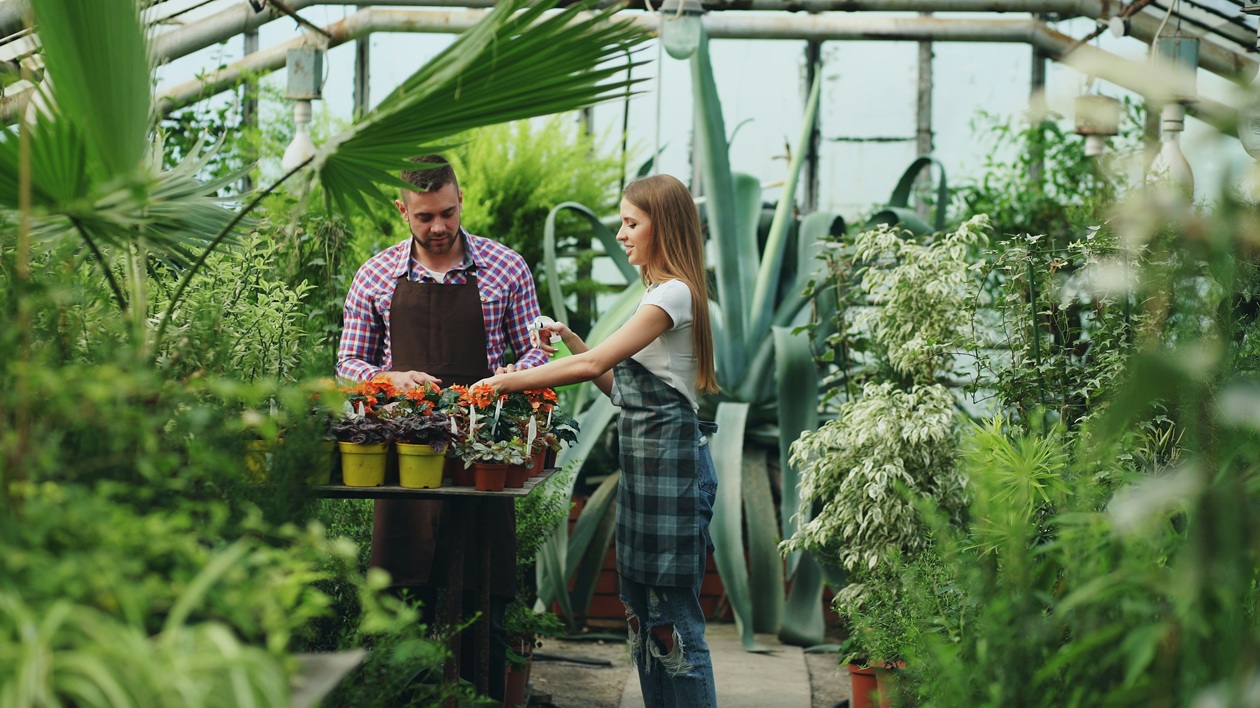
A growing or creative zone can be particularly rewarding for families. Raised beds, pots or small vegetable patches allow children to engage with planting and harvesting, helping them understand where food comes from and encouraging responsibility. These areas do not need to be large to be effective, but they benefit from being clearly defined and easily accessible.
Encouraging outdoor activities with children
A family garden thrives when it invites interaction. Simple features often provide the most value. Loose materials such as logs, stones or stepping elements encourage imaginative play, while sensory planting introduces scent, texture and seasonal change.
You can also create activity-led spaces that support learning and creativity. Chalk-friendly paving, mud kitchens, den-building areas or nature tables allow children to explore freely while remaining connected to the garden environment. These features work best when integrated subtly, so they feel like part of the garden rather than temporary additions.
Seasonal activities help maintain interest year-round. Bulb planting in autumn, wildlife spotting in winter, sowing seeds in spring and harvesting in summer all provide opportunities for shared experiences outdoors. Your garden becomes not just a play space, but a setting for learning and routine.
A practical approach to safety
Safety is an important consideration in any family garden, but it does not need to dominate the design. A calm, considered approach focuses on reducing obvious risks while allowing children freedom to move and explore.
Surfaces should be stable, non-slip and appropriate for their intended use. Good drainage prevents puddles and muddy patches, particularly in high-traffic areas. Changes in level should be gentle and clearly visible, avoiding trip hazards and sharp drops.
Boundaries between lawns, borders and paths should be secure and smooth. Flexible garden edging is a practical choice in family gardens, as it is softer and more forgiving than materials such as stone, metal or timber. It does not splinter, crack or develop sharp edges over time, making it well suited to areas where children play regularly. Its flexibility also allows it to follow curved layouts, helping create natural transitions between zones without hard lines.
Planting with families in mind
Planting in a family garden should be robust, low-maintenance and resilient. Hardy shrubs, ornamental grasses and tough perennials cope well with occasional disturbance and recover quickly. You should reserve more delicate plants for protected areas or raised beds.
It is also important to consider plant choice from a family perspective. Avoid species with toxic berries, sharp thorns or irritating sap in areas where children spend the most time. Instead, choose plants that offer colour, movement and seasonal interest, helping children engage with the garden safely.
A garden that adapts over time
The most successful family gardens are designed with longevity in mind. By creating flexible zones, encouraging varied activities and choosing durable materials, you ensure your garden continues to meet your family’s needs as children grow.
A well-planned family garden supports both energy and calm, offering spaces to play, learn and relax together. With thoughtful design and a balanced approach, your garden becomes a natural extension of family life.