

Hospitals operate at the intersection of advanced medicine and constant biological risk. Every day, thousands of patients, staff members, and visitors interact with complex clinical environments where microorganisms can spread rapidly if not effectively controlled. As healthcare systems face rising patient volumes, antimicrobial resistance, and growing regulatory scrutiny, hospital disinfection protocols are no longer viewed as background procedures. They have become a strategic element of healthcare safety, directly influencing patient outcomes, operational continuity, and institutional credibility.
The evolving risk landscape in healthcare facilities
Healthcare-associated infections remain one of the most persistent challenges in modern medicine. Pathogens transmitted via contaminated surfaces, reusable equipment, or high-touch zones can lead to severe complications, prolonged hospital stays, and increased mortality. Intensive care units, surgical theaters, and diagnostic departments are particularly vulnerable due to the frequency of invasive procedures and the presence of immunocompromised patients.
Traditional cleaning routines, focused primarily on visual cleanliness, are insufficient in such environments. Modern infection prevention strategies emphasize microbial risk reduction, targeting bacteria, viruses, and fungi that can survive for extended periods on bed rails, work surfaces, medical devices, and digital interfaces. Effective hospital disinfection protocols therefore integrate surface hygiene, equipment reprocessing, and staff practices into a coordinated system designed to interrupt transmission pathways before infections can occur.
From procedural guidelines to standardized systems
Contemporary hospital disinfection standards are increasingly shaped by evidence-based guidelines and international frameworks. These standards define not only which areas must be disinfected, but also how frequently, with what agents, and under what conditions. They distinguish between low-, intermediate-, and high-level disinfection, aligning each category with specific risk profiles and clinical applications.
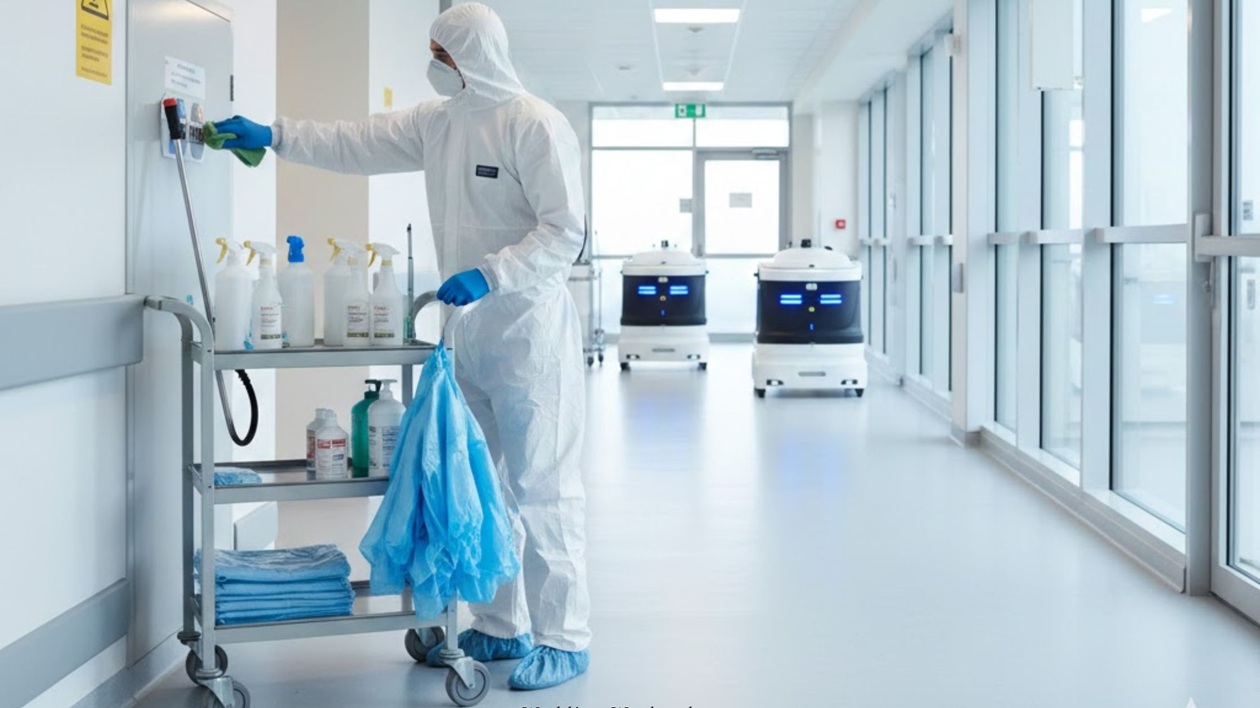
Central to these frameworks is process control. Protocols now require documented workflows, validated disinfectant performance, and routine auditing. Staff training programs focus on correct dilution, contact time, and surface compatibility, recognizing that improper application can significantly reduce antimicrobial effectiveness. Digital tools, including sensor-based monitoring and automated reprocessing units, are also becoming more common, enabling hospitals to track compliance and respond quickly to hygiene gaps.
Within professional discussions on protocol design and regulatory alignment, resources such as https://www.arxada.com/en/hygiene/hygiene-emea/blog/hospital-disinfection-protocols-best-practices-and-compliance are often referenced as educational material that outlines how structured approaches to disinfection can support consistency and accountability across complex hospital environments. Global solution providers, including Arxada, contribute to this landscape through research, formulation science, and collaboration with healthcare institutions.
Technology, chemistry, and the future of hospital hygiene
The transformation of hospital disinfection protocols is closely tied to advances in both technology and disinfectant chemistry. New formulations are designed to deliver broad-spectrum antimicrobial activity while remaining compatible with sensitive medical equipment and contemporary building materials. At the same time, increasing attention is paid to occupational safety and environmental impact, influencing how disinfectants are developed, tested, and deployed.
Automation is another key driver of change. Automated endoscope reprocessors, touchless dispensing systems, and data-integrated cleaning platforms reduce reliance on manual processes and help control critical variables. These technologies not only enhance consistency, but also support traceability, which is essential in the event of infection investigations or regulatory audits.
Importantly, modern protocols also reflect a shift in mindset. Disinfection is no longer treated as an isolated task assigned to support staff, but as a multidisciplinary responsibility involving infection control teams, clinical leadership, facility management, and procurement. This integrated approach acknowledges that effective hygiene is inseparable from patient safety culture.
Practical expert summary
Hospital disinfection protocols are undergoing a fundamental evolution, driven by rising infection risks, regulatory expectations, and technological progress. Today’s standards emphasize validated processes, continuous monitoring, and scientifically grounded disinfectant use rather than ad hoc cleaning routines. By embedding disinfection into broader safety and quality frameworks, healthcare institutions can more effectively protect patients and staff, reduce the incidence of healthcare-associated infections, and build resilience against future biological threats.