
If you are considering breast reduction surgery, understanding the recovery process is an important part of preparing for the procedure. One of the most common questions people have is how much rest they will need afterwards and when they can expect to return to normal activities.
Recovery times can vary from person to person depending on factors such as the extent of the surgery, your general health, and how your body heals. Your surgeon will provide personalised aftercare guidance, and following this advice carefully is an important part of supporting the healing process.
Understanding Recovery After Breast Reduction Surgery
Breast reduction surgery is a procedure that removes excess breast tissue, fat, and skin to reduce breast size and reshape the breasts. As such, it is a significant surgical procedure and your body will require plenty of time to heal afterwards.
In the early stages of recovery, it is common to experience swelling, bruising, tightness, and some discomfort around the treated area. These symptoms typically improve gradually as healing progresses.
Although you may feel ready to return to your usual routine relatively quickly, it is important to allow sufficient time for your body to recover and avoid putting unnecessary strain on the healing tissues. It is also absolutely essential to follow the advice of your registered and professional surgeon and medical team.
The First Few Days After Surgery
The first few days after breast reduction surgery are usually when you will need the most rest and support. You may feel tired as your body focuses on recovery, and it is generally recommended that you take time away from work and normal responsibilities.
During this period, you should focus on resting, staying hydrated, and following the aftercare instructions provided by your surgical team.
You may be advised to avoid certain movements, including stretching, lifting, or activities that place pressure on the chest area. Having support at home during the early recovery period can also be helpful.
How Long Should You Take Off Work?
The amount of time you need away from work depends on your job and how your recovery progresses.
If your role is office-based and does not involve physical activity, you may be able to return after a couple of weeks, depending on your individual circumstances. If your work involves lifting, physical effort, or prolonged activity, you may require a longer recovery period.
Your surgeon will be able to advise when returning to work is appropriate based on your healing progress.
Returning to Exercise and Physical Activity
Although gentle movement is often encouraged during recovery, you should avoid strenuous exercise until you have been advised that it is safe to resume.
Activities such as running, weight training, and heavy lifting may need to be avoided for several weeks after surgery. Returning to exercise too quickly can place additional stress on the healing area.
Your healthcare provider will guide you on when and how to gradually increase your activity levels.
Wearing Support Garments and Following Aftercare Advice
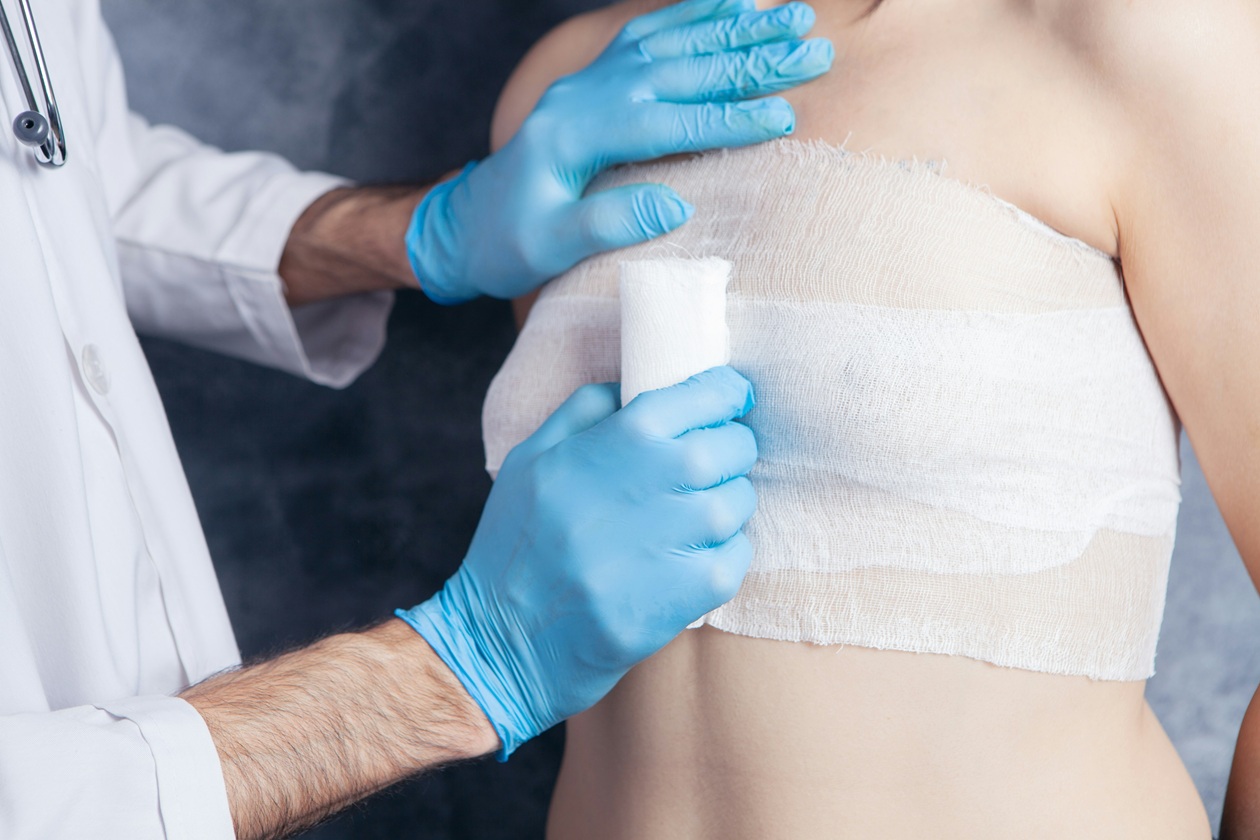
Your surgeon may recommend wearing a specific support garment after breast reduction surgery. This can help support comfort and provide protection while your body heals.
Following all aftercare instructions, including guidance on wound care, medication, appointments, and activity levels, can help support your recovery.
Every person’s recovery experience is different, so it is important to follow advice based on your own circumstances rather than comparing your progress with others.
The Importance of Following Medical Advice
The most important factor in your recovery is following the advice provided by your qualified medical professional. They will give you personalised instructions based on your procedure and individual circumstances.
If you experience unusual symptoms, increased pain, or concerns during recovery, you should contact your surgeon or healthcare provider promptly.
In the UK, surgeons performing breast reduction procedures are typically registered with the General Medical Council (GMC), and suitability should always be assessed in consultation with a professional registered surgeon.
Factors That Can Affect Recovery Time
Several factors can influence how much rest you need after breast reduction surgery, including:
- The amount of tissue removed during the procedure
- Your general health and fitness level
- Your body’s natural healing process
- How closely you follow post-operative instructions
Your surgeon will consider these factors when discussing your expected recovery timeline.
When Should You Seek Medical Advice?
While some discomfort and swelling can be expected after surgery, you should always follow the guidance provided by your healthcare team.
If you experience concerns during your recovery, such as symptoms that feel unusual or changes that worry you, you should contact your surgeon or healthcare provider for advice.
The Bottom Line
Most people need a period of rest after breast reduction surgery, with the first few days requiring the most recovery time. Many people gradually return to normal activities over several weeks, although complete healing can take longer.
The exact amount of rest you need will depend on your individual procedure and recovery progress. By allowing your body time to heal and following professional medical advice, you can support a safe and comfortable recovery journey.