

Lymphedema is a common and often distressing side effect experienced by breast cancer survivors post-surgery. This condition, characterized by swelling in the arm or chest area due to lymphatic system damage, affects approximately 20 to 30 percent of women following breast cancer operations. Proper management of lymphedema is vital for alleviating discomfort and preventing further complications.
Successful management of this chronic condition hinges on early detection, consistent self-care, and getting professional support. In this article, we provide an in-depth guide for survivors to take control of lymphedema and maintain a high quality of life.
Understanding Lymphedema After Breast Cancer Surgery
Lymphedema can manifest anytime after breast cancer surgery, from immediately afterwards to several years later. Recognizing the symptoms, primarily swelling and a feeling of heaviness or tightness, is crucial for early intervention. The affected limb may also experience decreased flexibility or changes in skin texture. Meanwhile, physical therapy programs can significantly aid individuals coping with lymphedema by providing structured routines and specialized exercises.
Lymphatic fluid buildup occurs when lymph nodes are removed or damaged during surgery, preventing proper fluid drainage. Breast cancer treatments such as radiation can also increase the risk of developing lymphedema. Monitoring changes in limb circumference can alert patients to the onset of the condition.
To properly manage lymphedema, patients should seek guidance from a healthcare professional experienced in lymphatic disorders. Understanding the intricacies of the lymphatic system and the progression of lymphedema can empower patients to take proactive steps to manage their condition.
Key Strategies for Managing Lymphedema at Home
Home management of lymphedema involves a daily routine of self-care practices. Compression garments are foundational; they support the lymphatic system by providing the necessary pressure to encourage fluid movement. Wearing these consistently can significantly reduce swelling and discomfort.
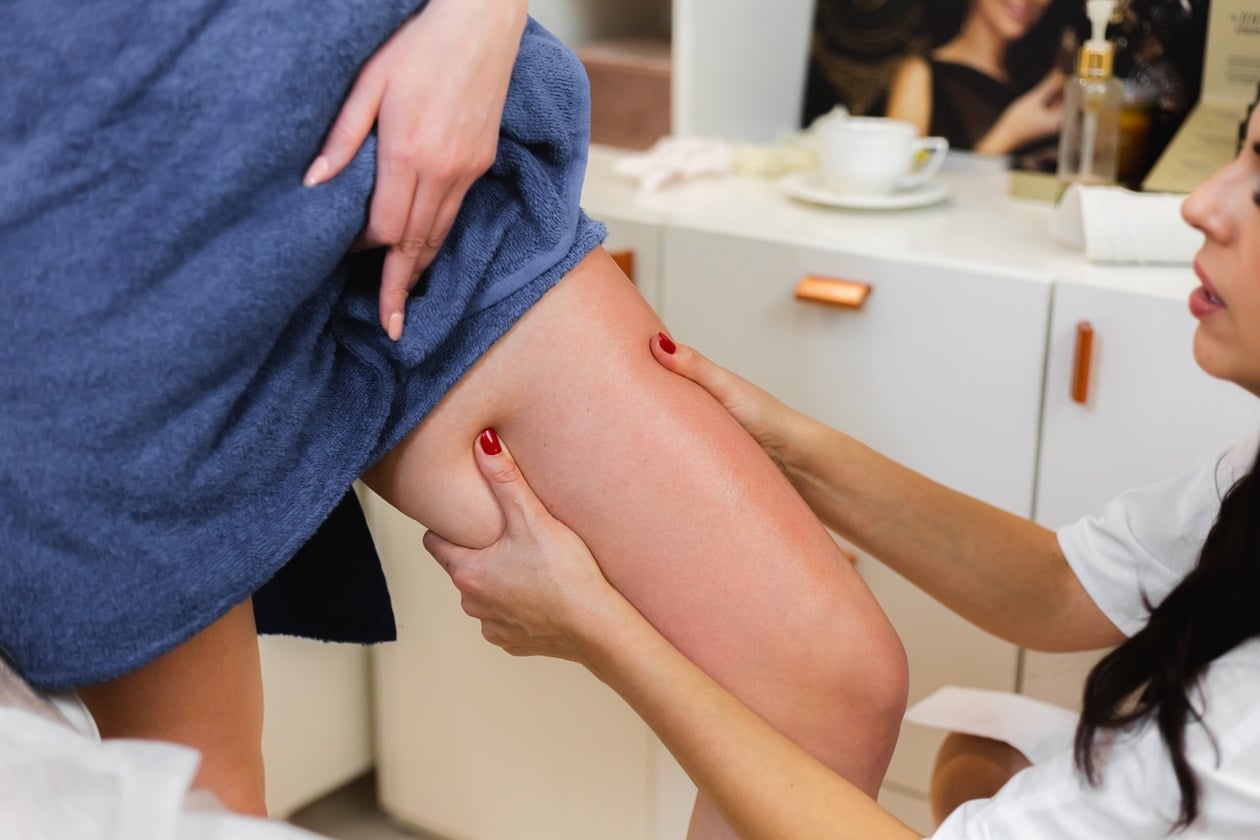
Manual lymphatic drainage, a technique where patients gently massage the affected area to stimulate lymph flow, is another crucial element of home management. Paired with light exercises to promote lymph fluid circulation, these techniques can maintain limb mobility and reduce the risk of infection.
Moreover, skin care is vital in preventing complications. Patients should moisturize regularly and avoid injuries to the affected limb, which can exacerbate symptoms. Effective home management can often mean the difference between keeping lymphedema in check and experiencing a significant progression of symptoms.
Professional Treatments and Therapies for Lymphedema Control
While home strategies are integral, professional intervention can escalate treatment efficacy. Physical therapists specialized in lymphedema can offer customized therapy plans, including advanced manual lymphatic drainage techniques and bandaging strategies. These medical professionals play a key role in educating and guiding patients through the therapeutic process.
Another effective professional treatment is pneumatic compression devices. These machines apply calibrated pressure to the limb, mimicking the lymphatic system’s natural pumping rhythm. Regular utilization can lead to significant reductions in limb volume over time.
For those who qualify, surgical interventions might be available to reduce symptoms or improve lymphatic function. Patients should consult a specialist to explore options such as lymphovenous bypass or lymph node transfer surgery.
Living With Lymphedema: Lifestyle Adjustments and Support Resources
Lymphedema is a lifelong condition that requires consistent self-care and lifestyle adjustments. This includes maintaining a healthy weight, which can lessen the load on the lymphatic system and minimize symptoms. It also helps to adopt a balanced diet rich in anti-inflammatory foods to support overall health.
Support groups, both in-person and online, provide a sense of community and a platform for sharing experiences and tips. Patients should not underestimate the emotional and psychological component of living with lymphedema; mental health support is just as critical as physical treatment.
Finally, education on risk factor avoidance, such as exposure to extreme temperatures or constrictive clothing, can help prevent symptom exacerbation. Armed with knowledge and the right network, individuals with lymphedema can lead full and active lives.
Managing lymphedema after breast cancer surgery is a complex process that requires dedication, awareness, and support. By combining at-home practices, professional treatments, and lifestyle changes, patients can mitigate the effects of lymphedema and improve their quality of life. Adopting measures to safeguard mental health and seeking empowerment through community resources also facilitates robust long-term management of the condition.