

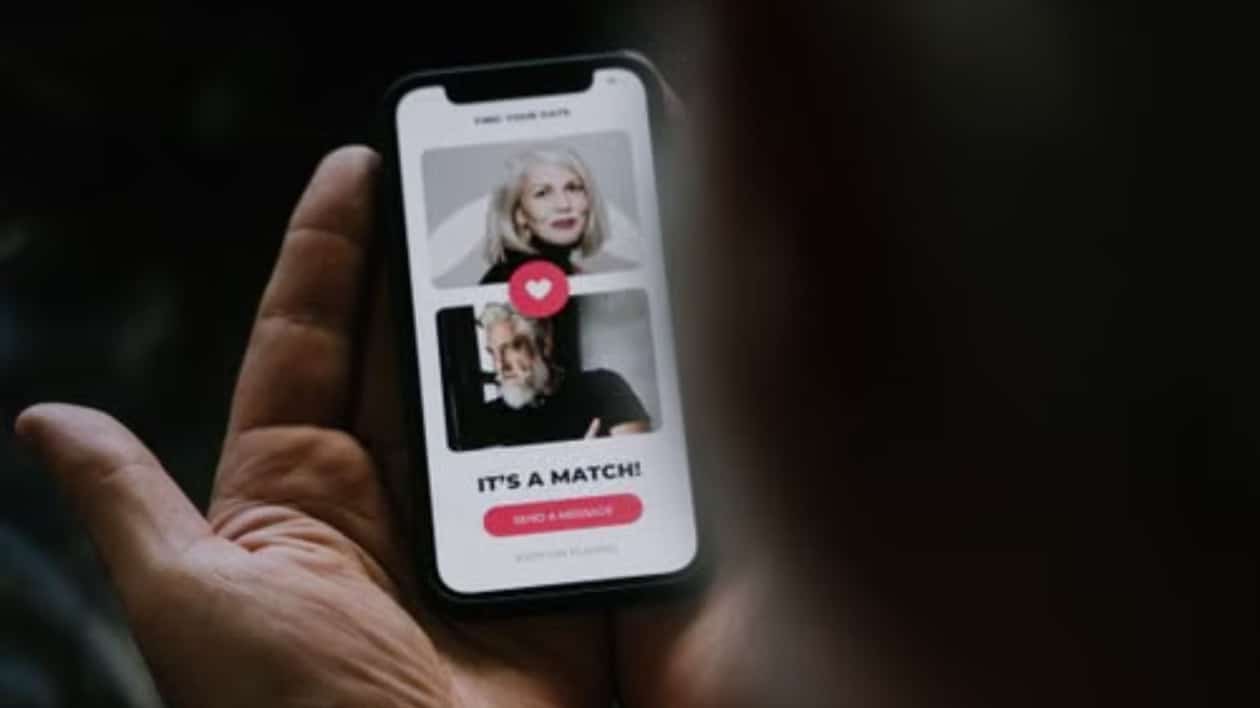
Traditional matchmakers worked with people they knew, including family histories and local reputations. A digital platform starts with profiles, searchable details, and tools that let users choose whom to contact.
For someone interested in ukraine dating, the members page makes it possible to review potential matches before starting a conversation. The convenience is new; judging character remains human.
From Traditional Matchmaking to Modern Online Connections
Online services changed access first. Someone was no longer limited to introductions through relatives, colleagues, or neighbours. Searchable profiles made interests and intentions visible before the first exchange.
Written contact also allowed people to answer in their own time. Audio and video later added information that a photograph could not provide.
How Early Online Platforms Changed the Way People Connect
Early platforms mainly organised personal advertisements. A basic profile, photograph, and inbox gave users more control, but discovery still depended heavily on manual browsing.
The platform facilitated an introduction without deciding whether two people belonged together.
The Role of Algorithms in Modern Partner Matching
Modern services can narrow a large profile catalogue through filters and recommendations. Ukraine Brides Agency lists Smart Match Search Suggestions and filters for location, interests, relationship intent, and availability for meetings.
These tools can focus a search on several criteria:
- profiles within a preferred location;
- interests that may support an opening conversation;
- stated intentions compatible with the user’s goal;
- availability for a future personal meeting.
The site does not publish the formula behind its suggestions or claim that software predicts relationship success. Recommendations reduce browsing; they do not replace conversation.
Essential Features of Modern Matchmaking Platforms
A contemporary platform needs tools for discovery, communication, and reporting suspicious activity. Users should also be able to see what verification checks and which services cost money.
Identity Verification and Online Safety
Ukraine Brides Agency describes an eight-stage approval process for women’s profiles. It covers initial screening, document and relationship-status checks, background and photo review, an introductory video, a verification call, and final approval. Male profiles follow a separate process.
Verification adds evidence, but the agency’s Terms do not guarantee that every member is genuine. Users still need to protect personal and financial information.
Communication Tools for Building Meaningful Connections
A profile provides a starting point. Different communication formats then show how naturally two people interact.
A typical progression may include:
- reviewing profile details and introductory media;
- exchanging letters or text-chat messages;
- moving to an audio or video conversation;
- arranging a meeting after mutual interest is clear.
Ukraine Brides Agency supports letters, text chat, automatic translation, audio and video chat, booked conversations, and Speed Dating. Some functions are free, while others use credits. Each step adds context without proving compatibility.
Emerging Technologies Reshaping Digital Matchmaking
Useful developments are often less dramatic than predictions about virtual reality. Integrated translation reduces the need to copy text between services. Video introductions add context to a profile, while Speed Dating enables several short live introductions within an organised event.
Digital matchmaking is also becoming more hybrid. Automated suggestions manage scale, while people review profiles, investigate reports, and coordinate meetings.
The Future of Online Matchmaking
Ukraine Brides Agency was launched in 2009 and illustrates the shift from profile browsing to a broader communication service. Alongside matching suggestions and manual reviews, it offers 24/7 support, contact-detail requests, and help with travel and meeting arrangements.
Future improvements should make recommendations easier to understand, privacy controls clearer, and transitions to offline meetings safer. Automation is valuable only while users retain control over whom they contact and what they share.
The next stage may be measured less by the number of suggested profiles than by how well a platform helps people evaluate them.