



Peptides- short chains of amino acids- have gained more significance in scientific studies and biochemical use. Research-grade peptides, which are specifically designed and strictly validated to be used in the laboratory, are a key instrument of our further insight into the workings of biology, disease pathologies, and possible treatment measures. Knowing the definition of research-grade peptides, their differences from other peptide sources, and their different uses can assist the researcher in making good decisions when sourcing quality materials for their studies.
What Makes Peptides Research Grade
Research-grade peptides are highly-purified products that are produced and verified to the strictest standards of purity, consistency, and reliability. In contrast to pharmaceutical-grade peptides, which are supposed to be used clinically or to be sold to consumers as supplements, the research-grade materials are created to be used in the laboratory and in experiments. Third-party lab test is done to test purity levels (usually 99% or above) of these peptides to ensure that the material has little contaminants or degradation products. Every batch has Certificates of Analysis that represent the composition of the batch, percentages of purity, and procedures used to test the purity. This strict recording of research helps scientists to repeat the tests, rely on their findings, and retain the scientific integrity of the research.
Common Research Grade Peptides and Uses
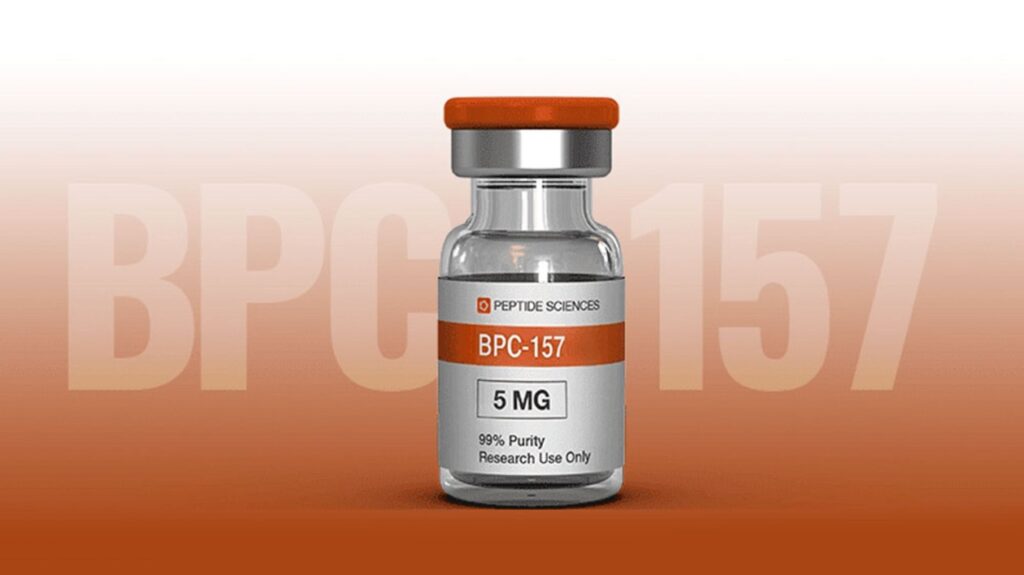
A number of peptides have become very crucial research materials in many fields of science. BPC-157 (Body Protection Compound-157) is being studied because it has neuroprotective and repairing capability of the tissue. The researchers study its implications on the recovery of the nervous system, the impact on gastrointestinal health, and the musculoskeletal recovery. CJC-1295 is an analog of growth hormone-releasing hormone modified, and it attracts the attention of researchers working in the area of growth hormone secretion, metabolism, and the effects of aging. GLP-1 (Glucagon-Like Peptide-1) analogs have a considerable amount of studies on their functions in glucose metabolism, weight regulation, and towards therapeutic uses of metabolic diseases.
These are the peptides that are prevalent in the published research on cellular mechanisms, animal models, and molecular pathways. Scientists use good-quality and continuously pure materials in order to produce credible information and significant findings.
Significance of Purity and Third-Party Testing

The basis of good research is the quality of the material. Poor or non-pure peptides will create variables that will invalidate results and conclusions of these experiments. As a way of sourcing research materials, third-party lab testing is also critical, that is, independent testing that verifies compliance with advertised specifications and not prejudiced. Where researchers are dealing with known materials of known suppliers such as research grade peptide experts at Fitaminos.com, they can be assured that the results of their experiments are due to the peptide itself and not the contamination and degradation products. This is the purity guarantee that has a direct effect on the credibility, reproducibility and scientific value of research.
Sponsoring Rigorous Scientific Investigation
Peptides of high-quality research grade allow scientists in various fields, such as neurobiology, endocrinology, gastroenterology, gerontology, and others to examine basic biological problems. Having always pure and well-documented materials enhances the discovery speed but does not compromise the scientific quality that is required to have meaningful findings.
Selection of Trustworthy Suppliers
Researchers need to focus more on suppliers who focus on transparency, third-party testing, and documentation of quality. Search on businesses that give comprehensive Certificates of Analysis, have temperature-controlled storage, provide quick shipping to maintain peptide integrity, and show interest in purity guidelines. Industry reputation, customer reviews and supplier reputation denote reliability.
Encouraging Research Excellence
The awareness of research-grade peptides’ properties, including purity standards, testing regimens, and potential uses, helps researchers make a sound sourcing decision. The significance of investing in validated, high-quality research resources enables the sponsorship of scientific integrity, reliability of an experiment and significant discoveries that can improve human knowledge and possibly benefit society on the basis of a better understanding of biological processes and mechanisms.