


For most drivers, number plates are something that rarely receive much attention. They are simply part of the car, fixed in place and largely forgotten until something goes wrong. However, registration plates are regulated more strictly than many people realise. During an MOT, testers must check that plates meet a set of legal standards designed to ensure they are clearly visible and easy to read.
When a number plate fails to meet those standards, even in a small way, it can lead to an MOT advisory or failure. The issue is not usually the registration itself, but how it is displayed on the vehicle. Understanding what makes a number plate legal in the UK can help drivers avoid unnecessary complications during their MOT and ensure their vehicle remains fully compliant.
The correct colours for front and rear plates
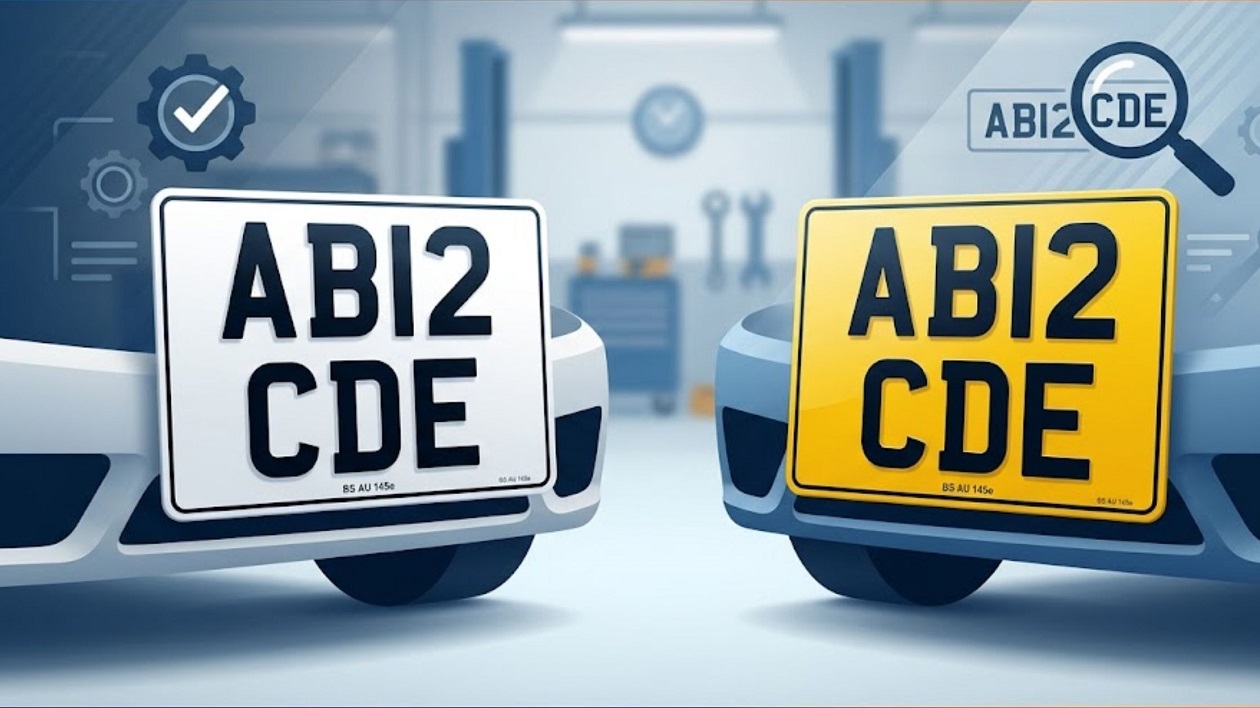
One of the most basic legal requirements is the colour of the plates themselves. UK regulations require vehicles to display a white number plate at the front and a yellow number plate at the rear. These colours are not chosen at random; they are designed to improve visibility for both drivers and enforcement systems.
The reflective background on each plate helps headlights illuminate the registration clearly at night. If the colours are incorrect or the reflective surface has deteriorated, the plate may not meet legal standards. This is something MOT testers will quickly notice, particularly if the reflective material has become worn or damaged over time.
Using the official number plate font
All UK number plates must use a specific font known as Charles Wright. This standardised typeface ensures that every character has a consistent shape and spacing, making it easy to read from a distance or through automated recognition systems.
Problems occur when drivers install plates that use stylised lettering or altered character shapes. Some designs attempt to make numbers resemble letters or add decorative elements that change the appearance of the characters. Even if the difference seems subtle, it can render the plate non-compliant.
During an MOT, testers are trained to recognise the official font. Plates that deviate from it may attract attention and could lead to a failure if readability is affected.
Correct spacing between characters
Spacing rules are another important aspect of number plate legality. The layout of letters and numbers is carefully defined to ensure each character remains clear and distinct. This is especially important for personalised registrations, where drivers may be tempted to move characters closer together to create a word or name.
Although the registration itself may be valid, altering the spacing between characters breaks the formatting rules. When characters are compressed or rearranged, the plate no longer matches the official layout.
Maintaining the correct spacing helps ensure that the plate remains readable to both humans and automated systems. It also prevents misunderstandings about what the registration actually says.
Keeping the plate clear and unobstructed
Legally compliant plates must be visible at all times. This means they should not be obscured by accessories, dirt, or physical damage. Even partial obstruction of a single character can create problems during an MOT inspection.
Bike racks, tow bars, and decorative trims sometimes block part of the plate if they are positioned incorrectly. Similarly, accumulated dirt or road grime can make characters harder to read, particularly during winter months.
A quick visual check before an MOT can help identify any obstructions. Ensuring the plate is clean and fully visible is one of the easiest ways to avoid a preventable issue.
Required markings on the plate
Legal number plates in the UK must include specific markings that confirm they were manufactured according to approved standards. These markings usually appear in small text at the bottom edge of the plate.
They typically include the name and postcode of the plate manufacturer along with a British Standard reference number. These details confirm that the plate meets the required specifications for materials, reflectivity, and construction.
If a plate lacks these markings, it may indicate that it was produced outside official guidelines. In such cases, replacing the plate with a compliant version is often the safest option.
Replacing worn or outdated plates
Over time, even properly manufactured number plates can deteriorate. Sun exposure, road debris, and weather conditions can cause fading, cracking, or peeling reflective layers. When this happens, readability may suffer.
Replacing worn plates is usually inexpensive and ensures the vehicle continues to meet current legal requirements. Suppliers such as Regplates can provide replacements that follow the correct font, spacing, and material standards, helping drivers stay compliant without difficulty.
A small detail with great importance
Although number plates are a relatively small part of a vehicle, they play an important role in road safety and identification. The rules governing their appearance are designed to ensure every plate can be read quickly and accurately in a variety of conditions.
By checking that plates follow the correct colours, font, spacing, and visibility standards, drivers can prevent unnecessary MOT issues. Taking a little time to inspect these details helps ensure the vehicle remains fully compliant and ready for the road.