


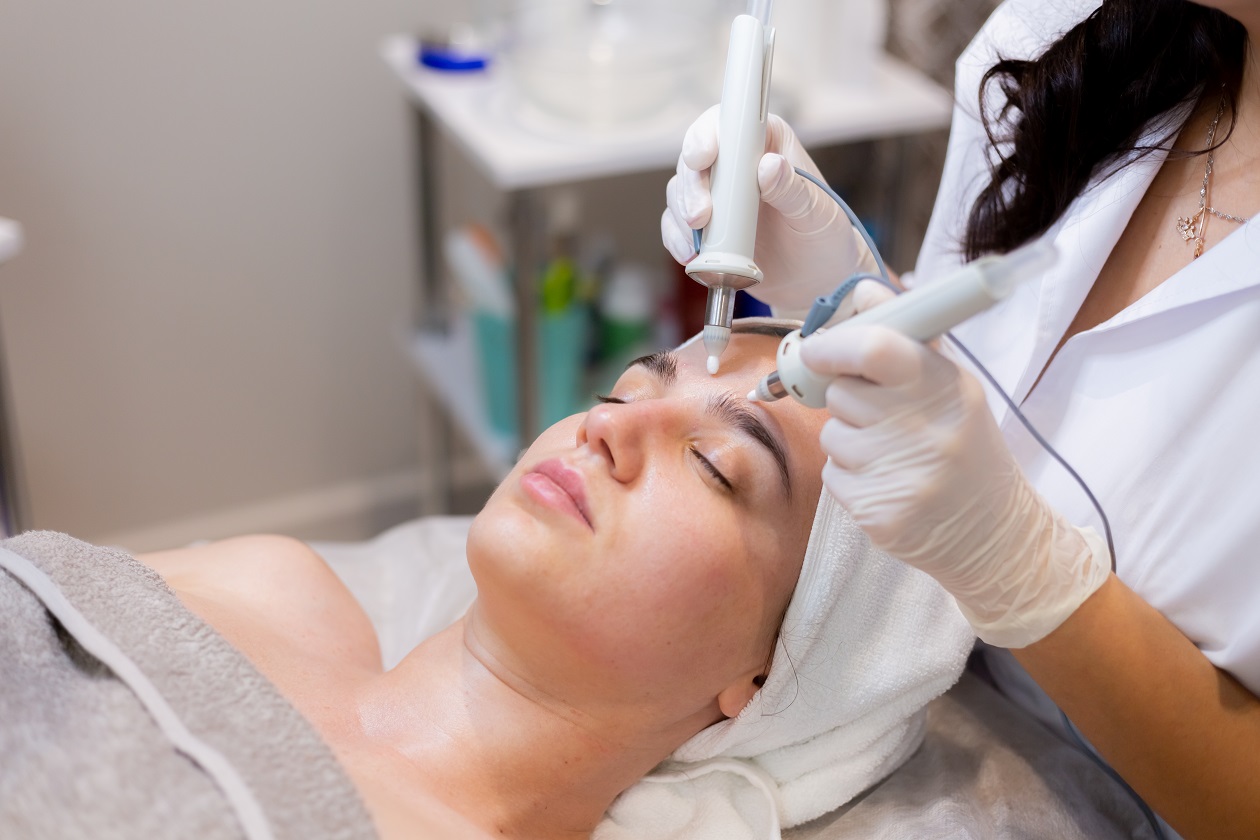
Deciding to get aesthetic enhancements is a personal choice and there’s plenty of information to find out about what exists, but with social media filters, celebrities changing faces and family members telling you one thing over another, it can feel frustrating figuring out where to begin. Yet choosing a cosmetic enhancement involves more than perusing social media channels or reading Google reviews for past results, and educated patients understand why.
Researching Providers is Just One Step
Most people start research from home by scouring reviews and pages of providers. While finding the right provider is essential, that’s only part of the equation. If a patient wants to be well informed about the actual procedure, what will happen during treatment, what the body will do in response, and, how long recovery will take, they have to do their due diligence digging deeper into the process.
Every aesthetic enhancement has different stipulations. Some require less downtime and others require at least a few weeks of recovery. Some are effective immediately, others take months to settle. Doing research beforehand makes it easier to factor treatment into work, social, and lifestyle obligations because patients won’t go in with unrealistic expectations about how quickly they can bounce back.
Not every procedure is the same, either. Sometimes, regional differences in training and philosophy shape what someone believes to be the best approach and it’s important for patients to realize this before deciding on something. People report drastically different results with fillers compared to facelifts from North American standards versus that of Korean techniques; many find the latter more appealing and often seek solutions through Banobagi Indonesia for a cohesive enhancement experience.
Why Someone Wants A Procedure is More Important Than Expected
Why someone wants something done impacts satisfaction results and emotional stability moving forward. There’s a big difference between someone who has always wanted to correct something they didn’t have control over versus someone who’s looking to reconstruct themselves based on an ideal image they found online. Both are valid but require different conversations with physicians.
Usually, those who have found their aesthetic solutions have identified goals which make communicating easier since physicians can either provide treatment options or not. Do you have specific features that create envy or part of your facial composition that makes you hate your picture? Do you want to lift skin that’s sagging after years of wear? These questions lead to refined answers but also time-tested intentions down the line.
Yet even with clear objectives, it’s important to note that when aesthetics are done for the right reasons, meaning, as long as there are psychological reasons in check aside from just aesthetic insecurities, it helps fatten up the approach. But let’s be clear: enhancements do not fix self-esteem issues or relationship problems. They may help boost confidence once a physical dynamic is overcome but they do not address underlying issues which should be disclosed regardless of clarity of goal.
Consultations Tell Almost Everything
The consultation provides insight for almost everything you’d need to know going forward. A good provider will communicate and listen without immediately trying to upsell with most costly services on day one. The right physician will explain the potential risks of recovery while offering solutions, not all procedures are right for everyone and that’s okay.
Red flags should go up when providers boast guaranteed results, rush through the consultation or secondary questioning, and don’t feel treatment plans should be discussed unless costs can cover it. Good practitioners know how to ask questions surrounding medical history and current medications or lifestyle accommodations that would otherwise impede successful results while even offering alternative plans that could be less profit-focused if those alternatives are better suited for the patient.
Expectations of recovery should be clear in detail, meaning bruising/swell is common (how much?), how soon can I drive again? Should I be concerned if I’m experiencing x? While these are not easy questions to ask, they provide as much information as possible going into the situation without necessarily favoring avoidance of responsibility.
Finances Are More Than Just Cost of Procedures
The cost of a procedure rarely provides a detailed inclusive overview. Additional costs associated include preliminary consultations (some assess the potential for treatment without charge, others only in-depth), post-procedures for follow-up and medications or even touch-ups to make sure nuances are aligned with expectations as well as desired results spaced out over multiple sessions (which means compounding costs).
Most insurance companies do not cover elective surgeries meaning that everything is out of pocket, from the procedure itself to time off work (if recovery necessitates it), childcare plans if applicable or even travel costs if someone wants to go far away for their specific need based on expertise elsewhere (hint: often times practitioners have specialized markets where they hone their skills).
But moreover, many fail to realize that there’s an emotional cost too, with major lifestyle changes come radical stress during recovery that isn’t always considered before. Realistic expectations in this arena benefit those who’ve learned their lessons from past patients able to convey their mishaps.
Timing Is Everything
Consider aesthetic changes in relation to when giant life moments may occur. No one wants to get a new face days before a wedding, major presentation in front of an audience or family reunion; even procedures boasting “no downtime” are sure to yield slight levels of redness, swelling or bruising as scabs develop in new places where skin hasn’t before.
In fact, most practitioners suggest a waiting period in months so that healing is complete and any desirable adjustments (if necessary) can be made without rushing time or potential results before settling fully down the line, rushing compromises success before things even start at an advantage.
It’s clear that through proper research whenever possible, from intentions to consultations through financial determination, patients can navigate secure waters all before treatment without putting themselves (or others) unnecessarily at risk without adequate educated awareness. When treatment becomes second nature due to almost effortless preparation beforehand, it’s clear such enhancements are worth the time had beforehand since with the right attitude, there’s no wrong way about it.