
Yerba mate UK sales have climbed sharply over the past few years. Imports rose by roughly 40% recently, and more shoppers now reach for it as a natural alternative to coffee.
What Exactly Is Yerba Mate?
Yerba mate comes from the leaves of a South American holly plant. People steep the leaves to make a caffeine-rich drink packed with antioxidants, vitamins and minerals.
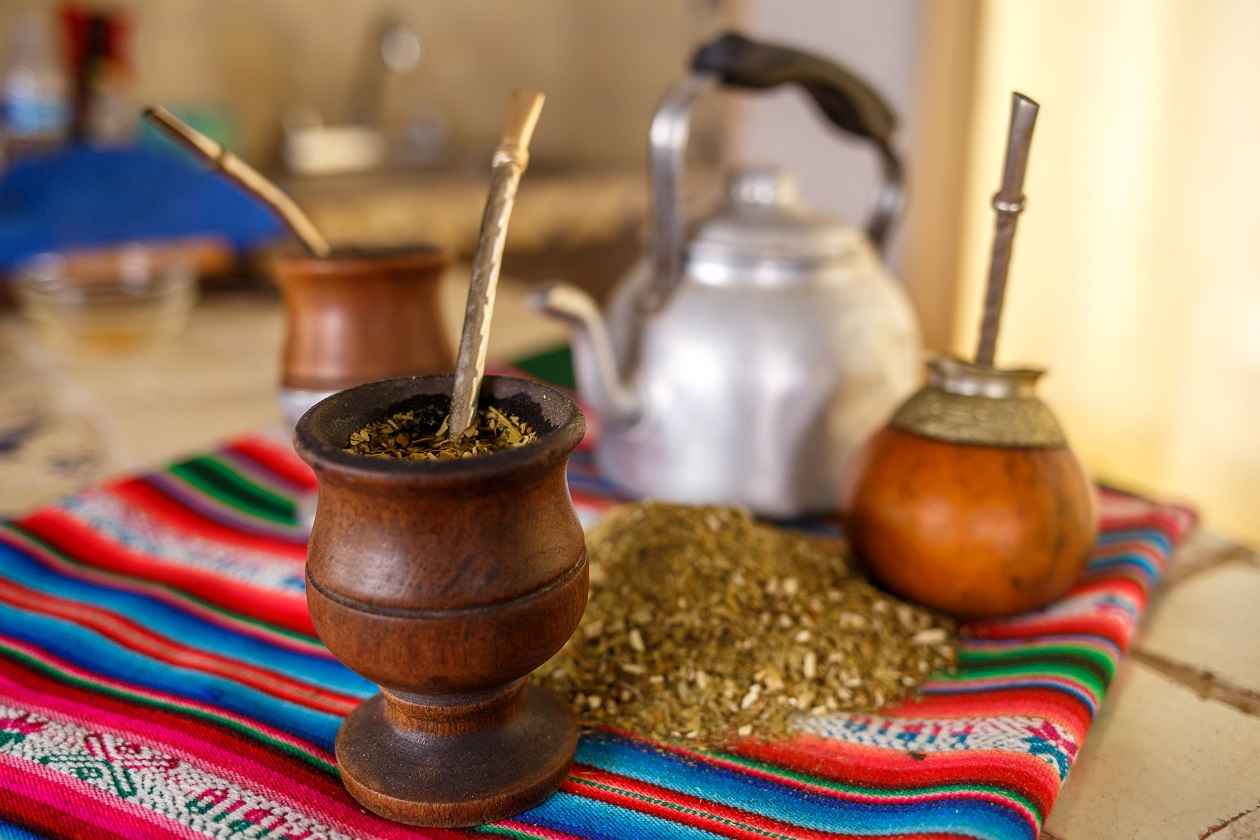
Traditional drinkers sip it through a metal straw called a bombilla, poured into a gourd cup. Modern brands now sell it as loose leaf, tea bags, powders and ready-to-drink cans.
Why Yerba Mate UK Demand Keeps Rising
Health-conscious shoppers drive most of the growth behind yerba mate UK sales. Many switch to it because it delivers steady energy without the sharp crash linked to sugary energy drinks.
Antioxidant content plays a big role, too. Yerba mate contains notably more antioxidants than green tea, which appeals to wellness-focused buyers looking for functional benefits beyond simple hydration.
How The Market Breaks Down
| Format | Popularity In The UK | Typical Buyer |
| Loose leaf | Popular with traditionalists | Long-time mate drinkers |
| Tea bags | Most convenient option | Everyday tea drinkers |
| Powder | Growing quickly | Smoothie and supplement users |
| Ready-to-drink cans | Fastest-growing format | Younger, on-the-go consumers |
Powder and ready-to-drink formats currently show the strongest growth, largely because they fit easily into busy routines without extra preparation.
Where To Buy Yerba Mate In The UK
Specialist retailers stock the widest range of yerba mate UK shoppers can choose from, including loose leaf blends, gourds and bombillas for proper traditional preparation. Health food shops and larger supermarkets increasingly carry a few mainstream brands too.
Online stores remain the easiest route for anyone starting. They typically offer a better variety than physical shops and often include starter kits with everything you need in one order.
Health Considerations Worth Knowing
Yerba mate contains natural caffeine, so treat it much like coffee or strong tea. Moderate consumption suits most people well, though pregnant women and those sensitive to caffeine should check with a doctor first.
Some studies have raised questions about very hot mate and long-term heavy consumption. Sticking to moderate temperatures and reasonable daily amounts keeps the drink firmly in the “healthy choice” category for most people.
Getting Started With Yerba Mate
Beginners often find traditional elaborada blends too bitter at first. Fruit or herb-infused blends offer a gentler introduction, easing you into the flavour before you try purer, more traditional versions.
Brew it with water just off the boil rather than fully boiling water, since overly hot water makes the taste noticeably harsher. Start with a smaller amount than the instructions suggest, then adjust to taste once you know what you enjoy.
The Bottom Line
The yerba mate UK market keeps expanding as more shoppers search for natural, functional alternatives to coffee and traditional energy drinks. With loose leaf, tea bags, powders and canned options now widely available, there’s an easy entry point, whatever your routine looks like.
In short:
Yerba mate UK availability has never been better. Try a milder blend first, brew it just below boiling, and see whether it earns a permanent spot in your cupboard.
Frequently Asked Questions
Is yerba mate stronger than coffee?
It contains less caffeine per cup than coffee but releases it more gradually, which many drinkers find produces steadier energy with fewer jitters.
Can I drink yerba mate every day?
Most healthy adults tolerate moderate daily consumption well. Keep an eye on total caffeine intake if you also drink coffee or tea alongside it.
Does yerba mate taste like regular tea?
Not quite. Traditional blends taste earthy and slightly bitter, closer to strong green tea, while fruit or herb-infused versions taste noticeably milder and sweeter.