

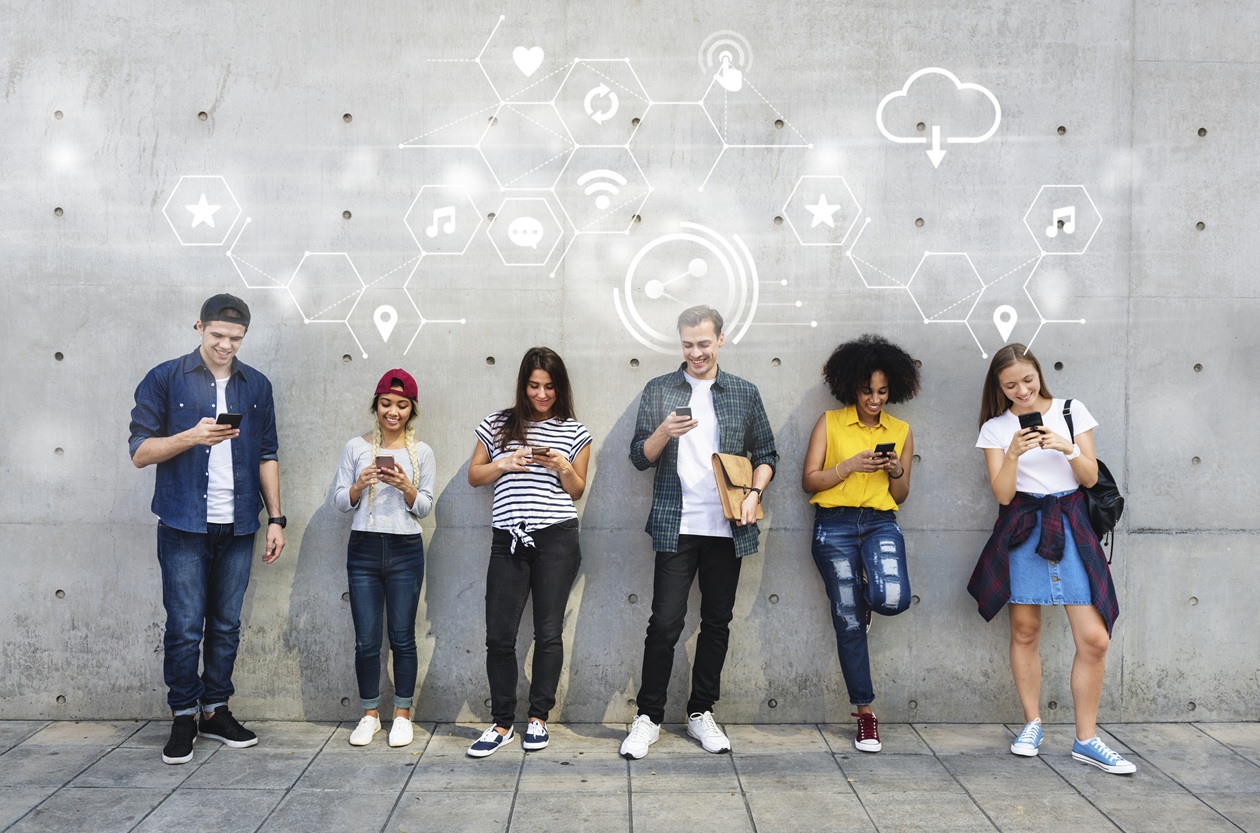
The internet has transformed the way people learn, communicate, and share ideas. Over the last decade, digital communities have become one of the strongest forces shaping modern education and personal development. From online discussion forums to social media groups and virtual workshops, people are no longer limited to classrooms or physical libraries when searching for knowledge. Today, anyone with an internet connection can join global conversations, develop practical skills, and build valuable relationships from home.
This shift has changed not only how information is consumed but also how people interact with one another. Communities built around common interests now influence trends in technology, business, entertainment, and even personal lifestyles. As digital spaces continue to grow, they are creating new opportunities for individuals who want to stay informed, improve their careers, or simply connect with others who share similar interests.
The Rise of Online Knowledge Sharing
One of the biggest reasons digital communities have become so influential is accessibility. In the past, learning opportunities were often expensive or restricted to certain institutions. Today, educational content is available almost everywhere online. Blogs, podcasts, webinars, newsletters, and community platforms provide people with instant access to insights from professionals around the world.
This open exchange of information has encouraged a culture where people actively help one another. Someone learning graphic design can receive advice from experienced designers in an online forum. A small business owner can discover marketing strategies through industry communities. Students preparing for exams can join study groups that provide support and motivation.
Unlike traditional learning environments, digital communities are often more interactive and flexible. People can participate at their own pace, ask questions freely, and explore topics that genuinely interest them. This has made learning feel less formal and more engaging for millions of users worldwide.
Why Communities Matter More Than Ever
Modern online communities offer more than just information. They create a sense of belonging. Many people join digital spaces because they want to feel connected to others who understand their goals, hobbies, or professional interests.
Communities built around technology, finance, gaming, health, travel, and entrepreneurship continue to attract large audiences because they encourage active participation. Members contribute ideas, discuss trends, and share personal experiences that make conversations more authentic.
In recent years, niche communities have grown especially fast. Instead of following broad platforms with general content, users increasingly prefer focused groups that discuss specific interests in depth. Whether someone is interested in sustainable living, cryptocurrency innovations, remote work, or online entertainment trends like Solana live blackjack, digital communities allow individuals to explore specialized topics while engaging with people who share similar passions.
The Influence of Social Media Platforms
Social media has played a major role in expanding online communities. Platforms like Facebook, Reddit, LinkedIn, Discord, and X have made it easier than ever for people to connect instantly across borders. These platforms allow users to create groups, host discussions, and build networks around almost any topic imaginable.
What makes social media communities powerful is the speed at which information spreads. A useful idea or trending discussion can reach thousands of people within hours. Businesses use this advantage to engage with customers directly, while creators and educators use it to build loyal audiences.
However, the rise of social platforms has also increased the importance of critical thinking. With so much information available online, users must learn how to identify reliable sources and avoid misinformation. Strong digital communities often thrive because they encourage respectful discussions, expert insights, and responsible sharing of information.
The Growing Importance of Digital Skills
As online communities continue to expand, digital literacy has become one of the most valuable modern skills. Employers now expect people to communicate effectively online, collaborate remotely, and understand digital tools.
This trend has encouraged many individuals to invest in self-learning. Online courses, tutorials, and community-driven learning platforms allow people to improve their skills without needing formal education programs. Areas such as content creation, coding, data analysis, digital marketing, and online communication have become especially popular.
The ability to adapt quickly is now considered essential in many industries. Technology evolves rapidly, and digital communities often become the first place where new ideas, updates, and opportunities appear. People who stay connected to these communities are often better prepared for changing professional environments.
Remote Work and the New Digital Lifestyle
The rise of remote work has further strengthened the role of online communities. Millions of professionals now work from home or collaborate with international teams through digital platforms. As a result, people rely more heavily on online networking and virtual communication than ever before.
Remote workers often join professional communities to exchange advice, discover job opportunities, and stay motivated. These communities help reduce isolation while encouraging collaboration and productivity. Virtual events, online conferences, and live discussion sessions have become common ways for professionals to connect globally.
At the same time, digital lifestyles are influencing how people spend their free time. Streaming platforms, gaming communities, online fitness classes, and virtual social events are all becoming normal parts of everyday life. The internet is no longer simply a tool for information; it has become a central part of modern culture and social interaction.
Challenges Facing Online Communities
Despite their many benefits, online communities also face challenges. Toxic behavior, misinformation, privacy concerns, and online scams remain significant issues across many platforms. As communities grow larger, moderation becomes increasingly important.
Platform owners and community leaders must balance freedom of expression with maintaining respectful and safe environments. Many successful communities achieve this by establishing clear guidelines and encouraging constructive participation.
Users also need to become more aware of digital privacy and cybersecurity. Protecting personal information and recognizing suspicious online activity are now essential skills for anyone participating in digital spaces.
The Future of Digital Communities
The future of online communities looks promising as technology continues to evolve. Artificial intelligence, virtual reality, and advanced communication tools are expected to create even more immersive digital experiences. Virtual events may become more interactive, online learning could become more personalized, and communities may develop entirely new ways for people to collaborate.
Younger generations are already growing up in highly connected environments where digital interaction feels natural. This suggests that online communities will continue playing a major role in education, business, entertainment, and social life for years to come.
At the same time, people are becoming more selective about the communities they join. Quality conversations, trusted information, and meaningful interactions are now valued more than simply having large audiences. Communities that focus on authenticity and genuine engagement are likely to remain the most influential.
Conclusion
Digital communities have reshaped the way people learn, connect, and share ideas in the modern world. They provide opportunities for education, networking, collaboration, and entertainment on a global scale. Whether someone wants to build professional skills, explore personal interests, or stay updated with emerging trends, online communities offer access to valuable knowledge and meaningful connections.
As technology continues to evolve, the influence of digital communities will only grow stronger. People who engage thoughtfully, communicate responsibly, and remain open to learning will benefit the most from this rapidly changing digital landscape.