

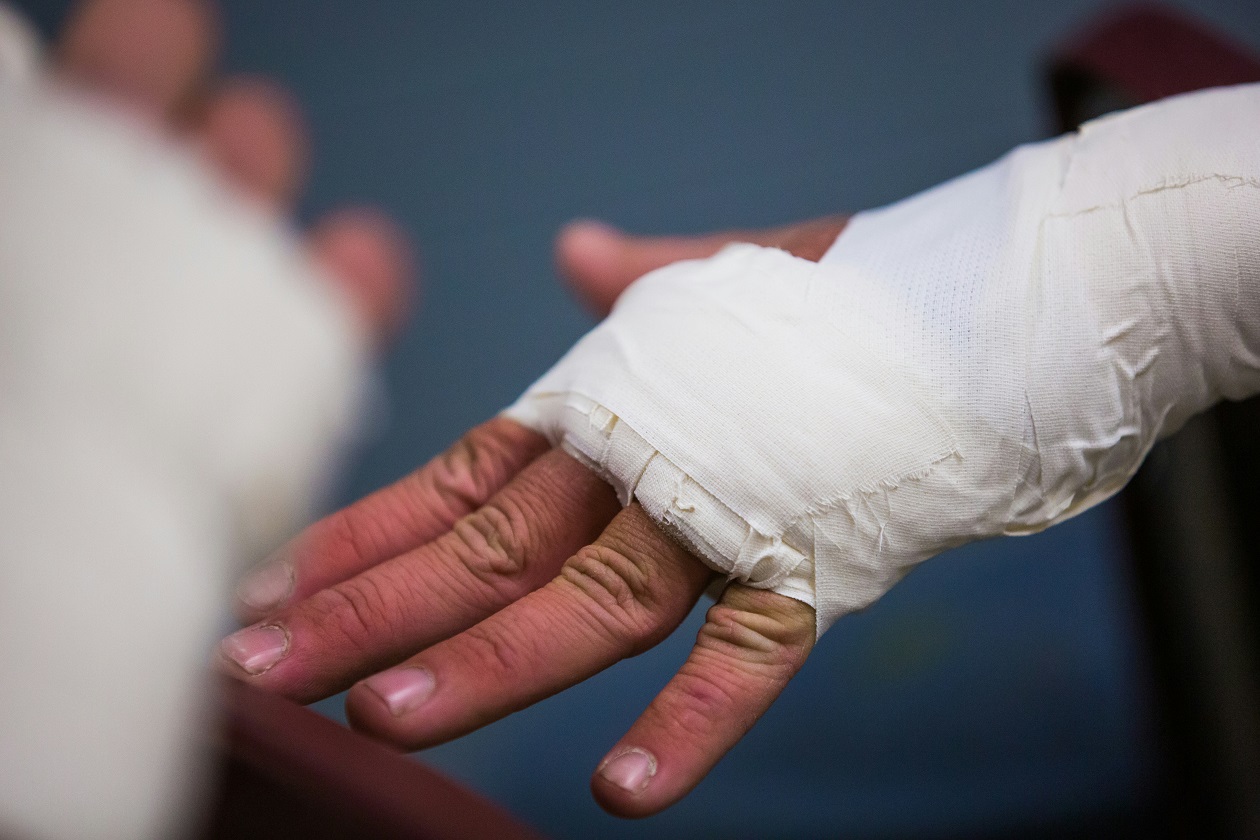
One of the most physically and mentally taxing injuries a person can have is a burn. Recovery is frequently painful, time-consuming, and worsened by nerve damage or scarring that permanently alters day-to-day functioning. When another party’s negligence causes such an injury, prosecuting burn injury claims involves more than just a persuasive description of what happened. The quality and completeness of the evidence collected—ideally, starting as soon as possible after the occurrence—have a significant impact on the result.
Why Evidence Gathering Begins Immediately
Gathering evidence is rarely a top priority in the immediate aftermath of a burn injury. The focus is entirely on medical care, pain management, and basic recovery. However, the most relevant information is available in its most comprehensive form during this early period.
Physical conditions are subject to rapid change. Between the time of the occurrence and any official legal evaluation, burns can heal quite quickly. Before someone takes a picture or records the injury, the responsible party may fix or remove any hazardous conditions. When judicial proceedings start in earnest months later, witnesses tend to recall events more precisely in the days after an incident.
After a burn injury, swiftly instructing a solicitor guarantees that evidence preservation procedures are followed methodically while the most valuable material is still accessible.
Medical Records and Clinical Documentation
Any claim for burn injuries is based on medical proof. The nature, extent, and severity of the burn at the earliest clinical assessment point are documented in the records from the initial emergency care, which serve as a baseline against which any later recovery or decline can be evaluated.
Burns are categorised according to depth, with surface classifications based on the extent of tissue destruction. In determining the severity of the injury for compensation assessment purposes, clinical records documenting this classification, the damaged surface area, and the suggested course of treatment are highly significant.
A picture of the healing process that supports the entire scope of a compensation claim, including future care needs, is created by ongoing treatment records, such as wound care documentation, surgical intervention records where skin grafting or other procedures were necessary, and physiotherapy or occupational therapy notes.
Photographic Evidence of the Injury
Medical descriptions alone cannot adequately capture the visual record created by photographs taken at various stages of a burn incident. Images taken right after the injury, during dressing changes, and at various points during the healing process record the healing process or the persistence of scarring in ways that are truly valuable as evidence.
Photographs taken after healing has concluded determine the long-term consequence, which is part of the overall damage assessment in cases when permanent scarring occurs. This part of the claim is significantly strengthened by before-and-after comparisons in cases when prior photos of the impacted region are available.
The Accident Report and Incident Documentation
When an incident occurs at work, a formal accident report needs to be filled out and recorded in the employer’s accident book. Before any further revision of the story is feasible, this immediate record proves that the occurrence happened, specifies the date and place, and records initial observations about the situation.
Getting a copy of this report as soon as possible after the event helps prevent disagreements over its accuracy later on. The injured person’s own firsthand story, backed by witness testimony and medical records, offers a contrast when an employer tries to downplay the incident in official documentation.
In public liability cases involving burns received in commercial premises or public areas, the corresponding paperwork is obtained through the relevant firm or authority’s incident reporting process. Early acquisition of this record is equally crucial.
Witness Statements
Independent testimonies from witnesses to the event or its immediate aftermath are highly credible. Statements that support the injured person’s testimony can be submitted by coworkers who were there when a workplace burn happened, members of the public who observed a public liability incident, and anybody who offered prompt help before emergency services arrived.
The most trustworthy witness recollections are those that are instantly recorded. Accounts reconstructed from memory months after legal proceedings have started are far less valuable than detailed statements made in the days after an incident.
Financial Loss Documentation
In addition to compensation for burn damage, it also covers the costs associated with the injury. In cases where the injuries prohibited work, lost wages are determined by comparing pay stubs from before and after the incident. The precise documentation of unique damages necessary for a successful recovery is provided by receipts and invoices for treatment expenses, specialised equipment, house modifications, and travel to medical appointments.
Maintaining a timely record of all costs related to the injury, no matter how small at the time, guarantees that nothing that can be recovered is missed when the entire claim is put together.